Popular Searches
No results for
Stories, guides and secrets of the city. No spam.
Thank you! You've been added to the list.
All the stories
47 articles
A 14th-century wall found while digging the foundations, 14,000 works upstairs, and three official pages that disagree on when it is free.
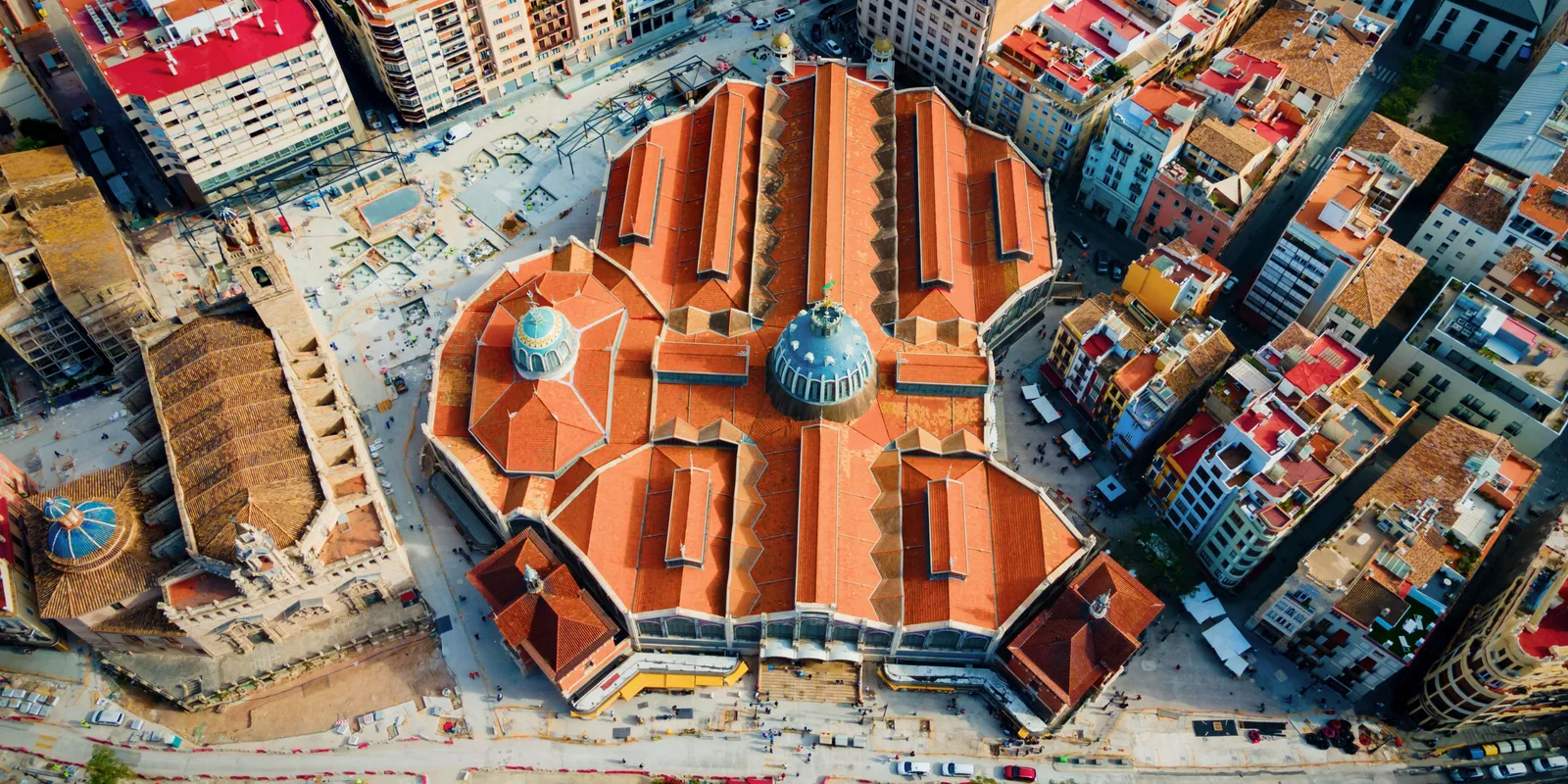
A brutalist hall from 1962 with 160 food stalls, shutting at 15:00, in the neighbourhood where everything else opens at night.
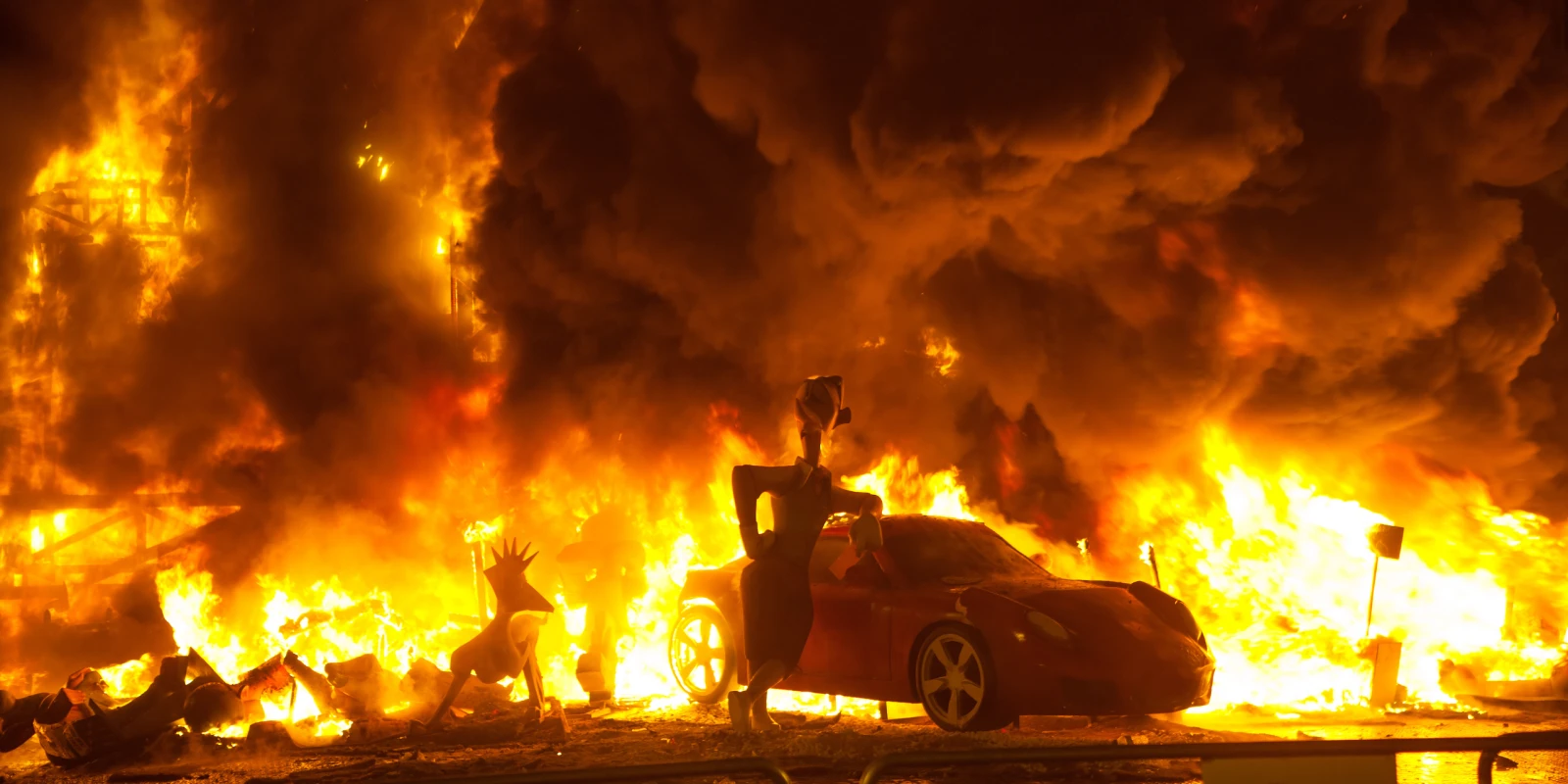
Near-identical names, rescued ninots in both and a 2 euro ticket each, but different addresses and calendars that close on opposite days.
Cava from Requena or Utiel, freshly squeezed orange, vodka and gin, built in a jug and stirred gently so the bubbles survive.
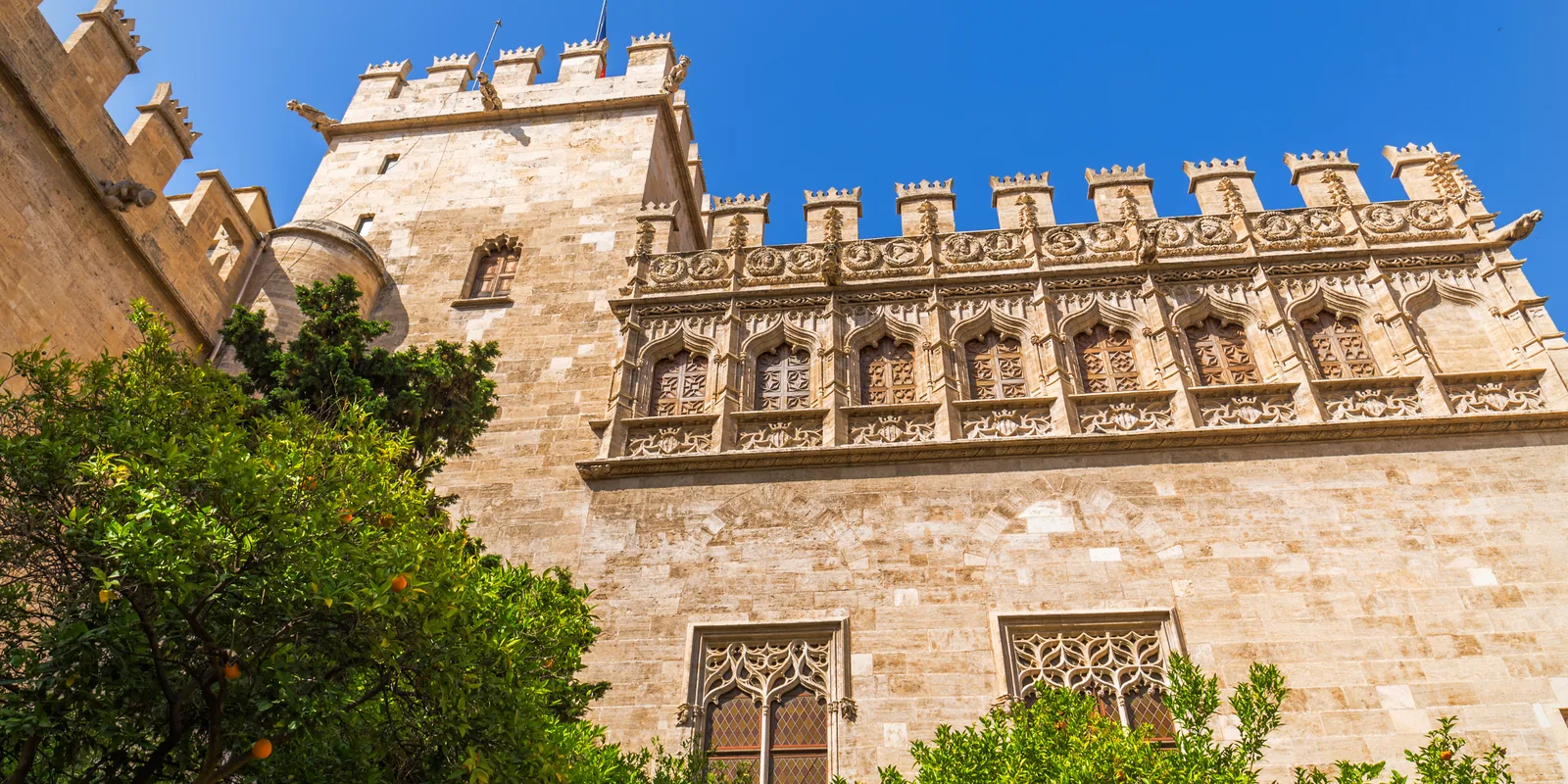
A 14th-century wheat warehouse raised on the Muslim citadel, with guild paintings on the walls and free entry every day it opens.
Two euros on the Malvarrosa sand, free on Sundays, and an hour of closure at lunchtime that catches out anyone walking up from the beach.
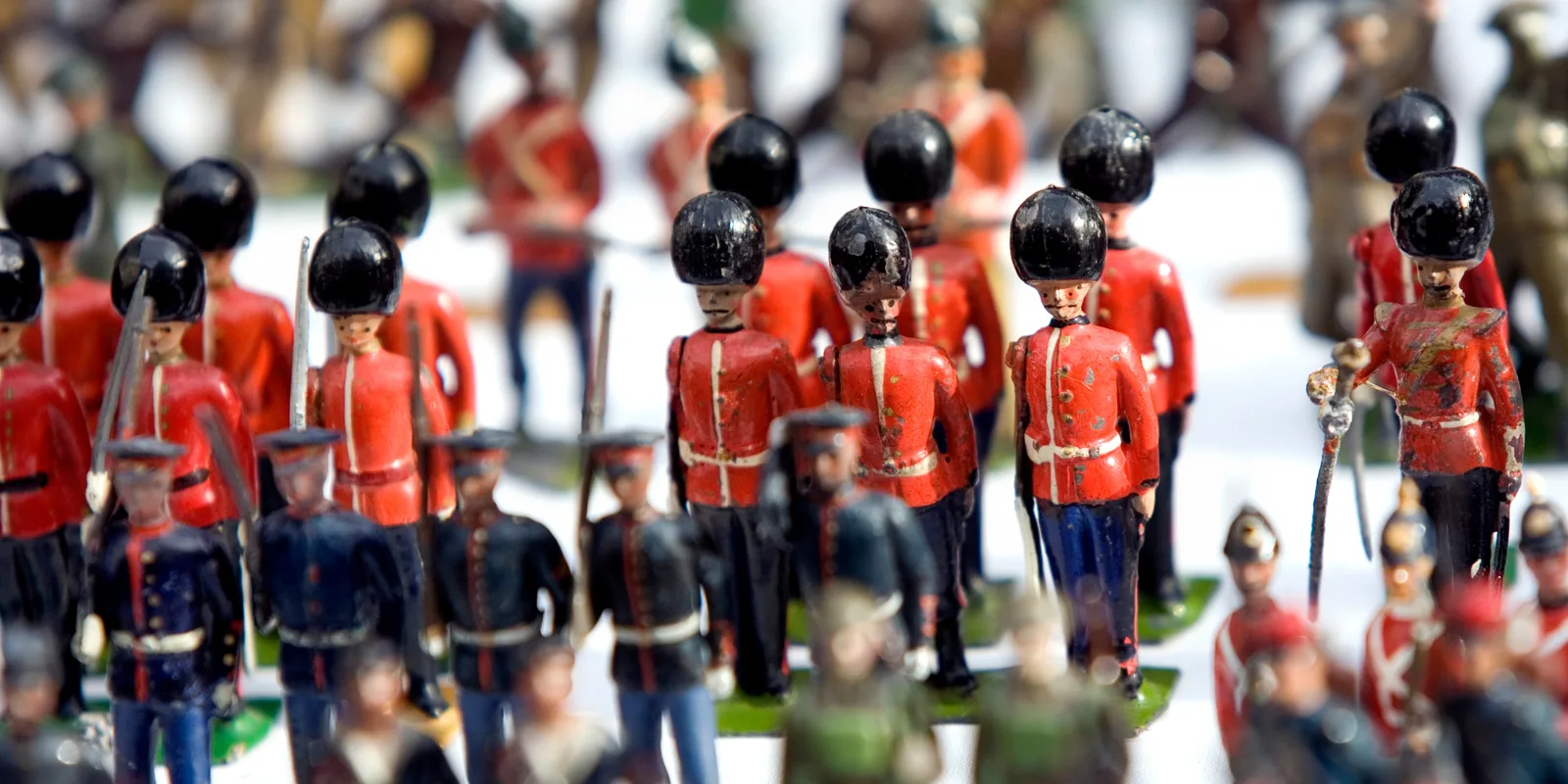
Dinosaurs to UN blue helmets in the world's largest historical miniature museum, eight euros, in a palace three doors from the seat of government.
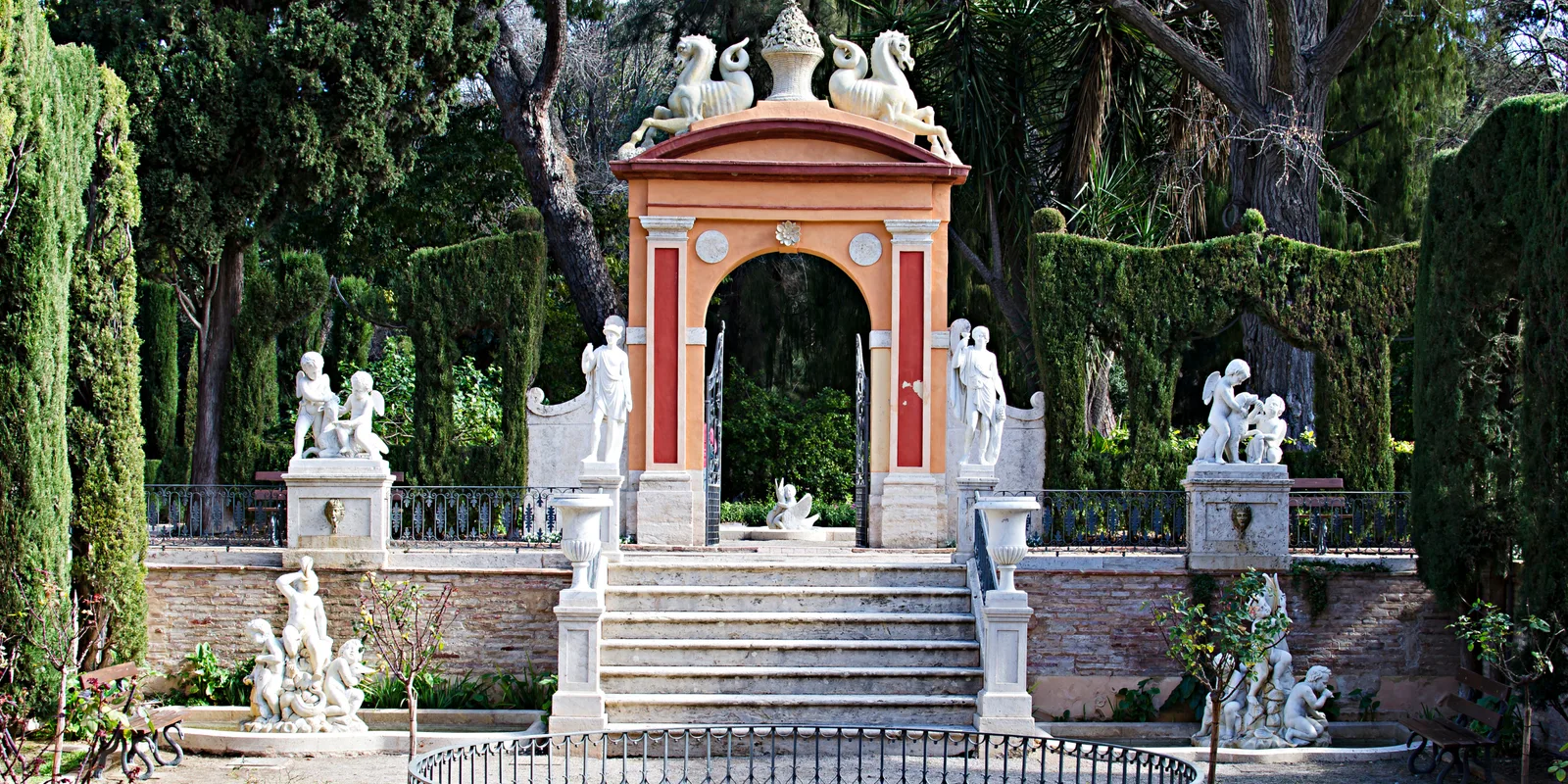
A neoclassical garden of 12,000 square metres with a named 1849 designer, no ticket desk, and two official closing times that disagree.
No ticket desk, no chosen hour: you send a request with passport details and the Presidency assigns a morning, if its diary allows.
A Ribalta canvas lowers on pulleys after the Friday Mass, a Thomas More manuscript sits in the museum, and five different prices are in circulation.
Five screenings a day close the 6th-century vault to walk-in visitors, and the two city sources cannot even agree on whether Monday counts.
Three hundred and fifty square metres of restored Palomino, and an apse that exists only as videomapping because the paint burned in 1936.
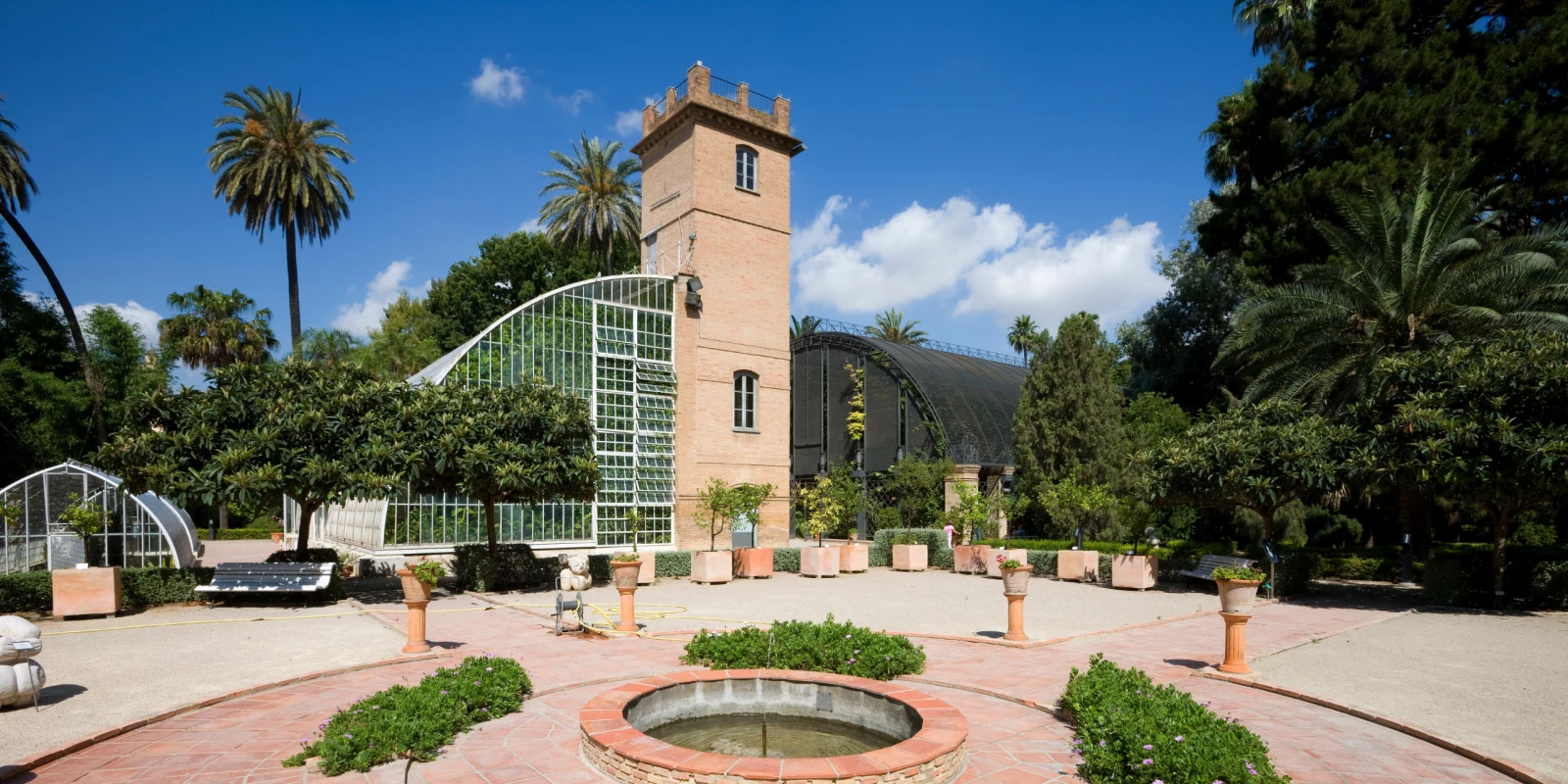
A university research collection of 4,500 species on four hectares, with an iron shade house from 1900 and a greenhouse of 5,000 glass panes.
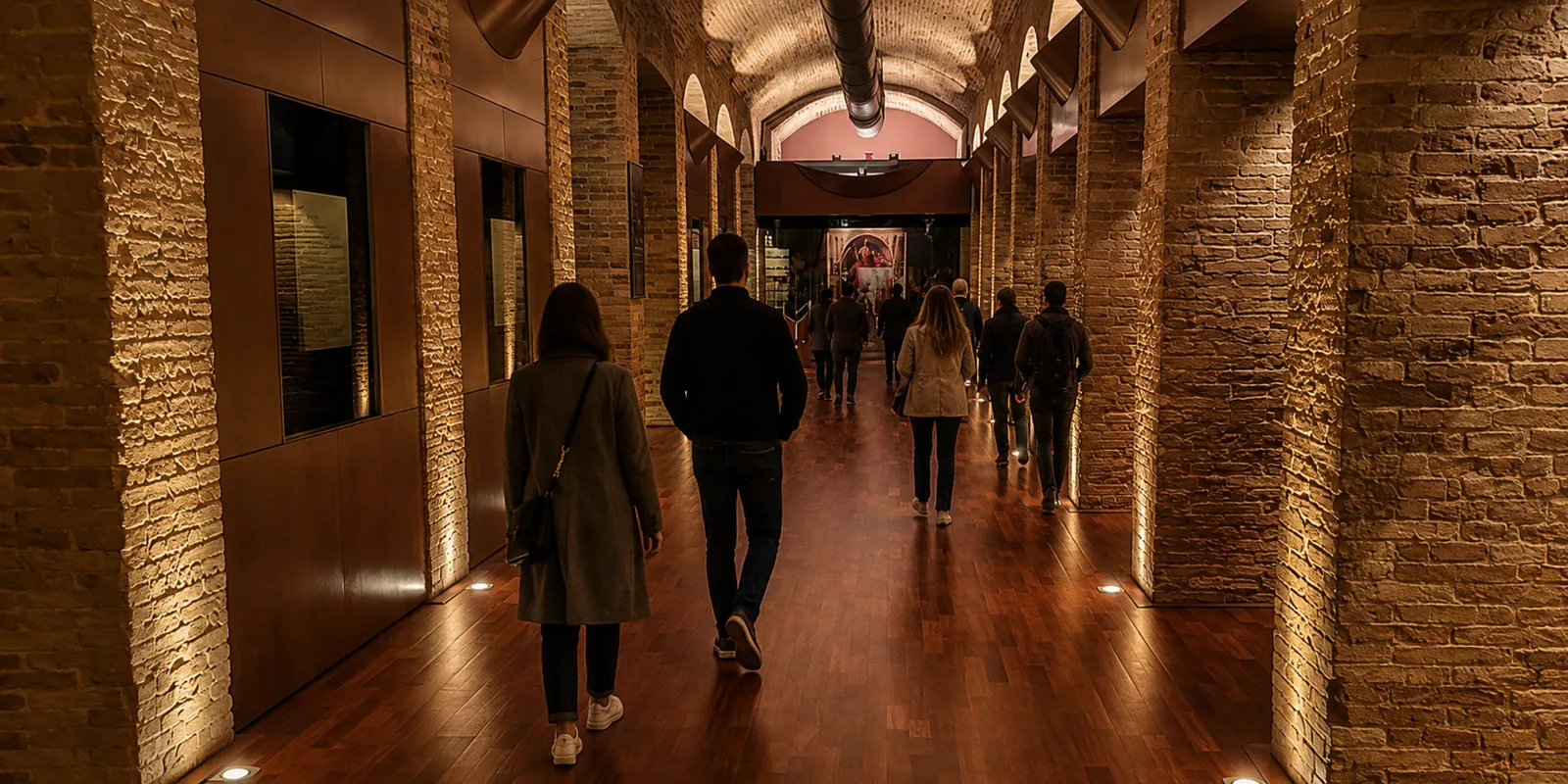
Eleven vaults on 250 brick pillars, eight sections from Roman Valentia onwards, and two official addresses in two different towns.
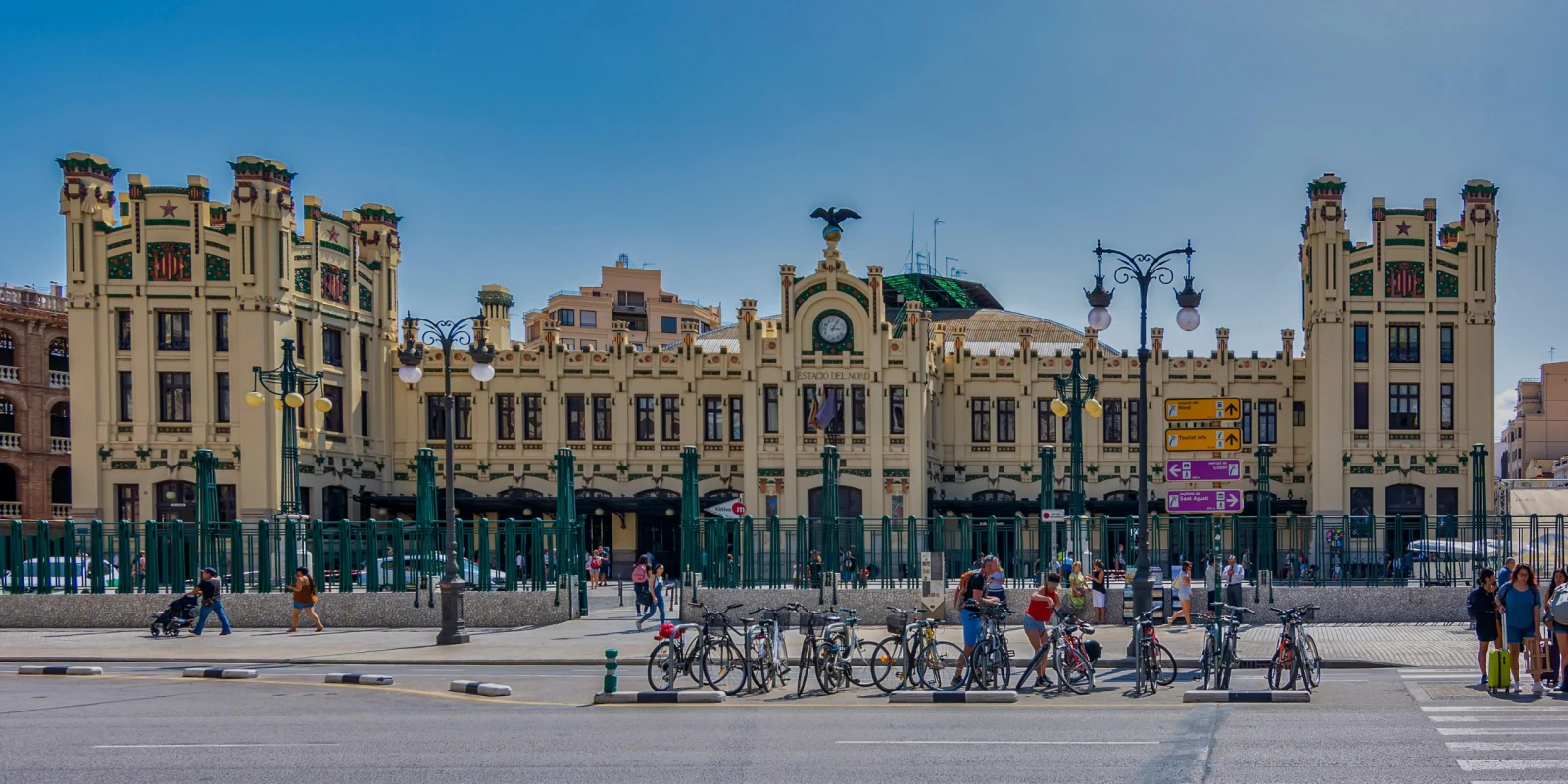
A working railway station with a 45-metre canopy, ceramics by La Ceramo and the word Norte drawn a different way on every surface.
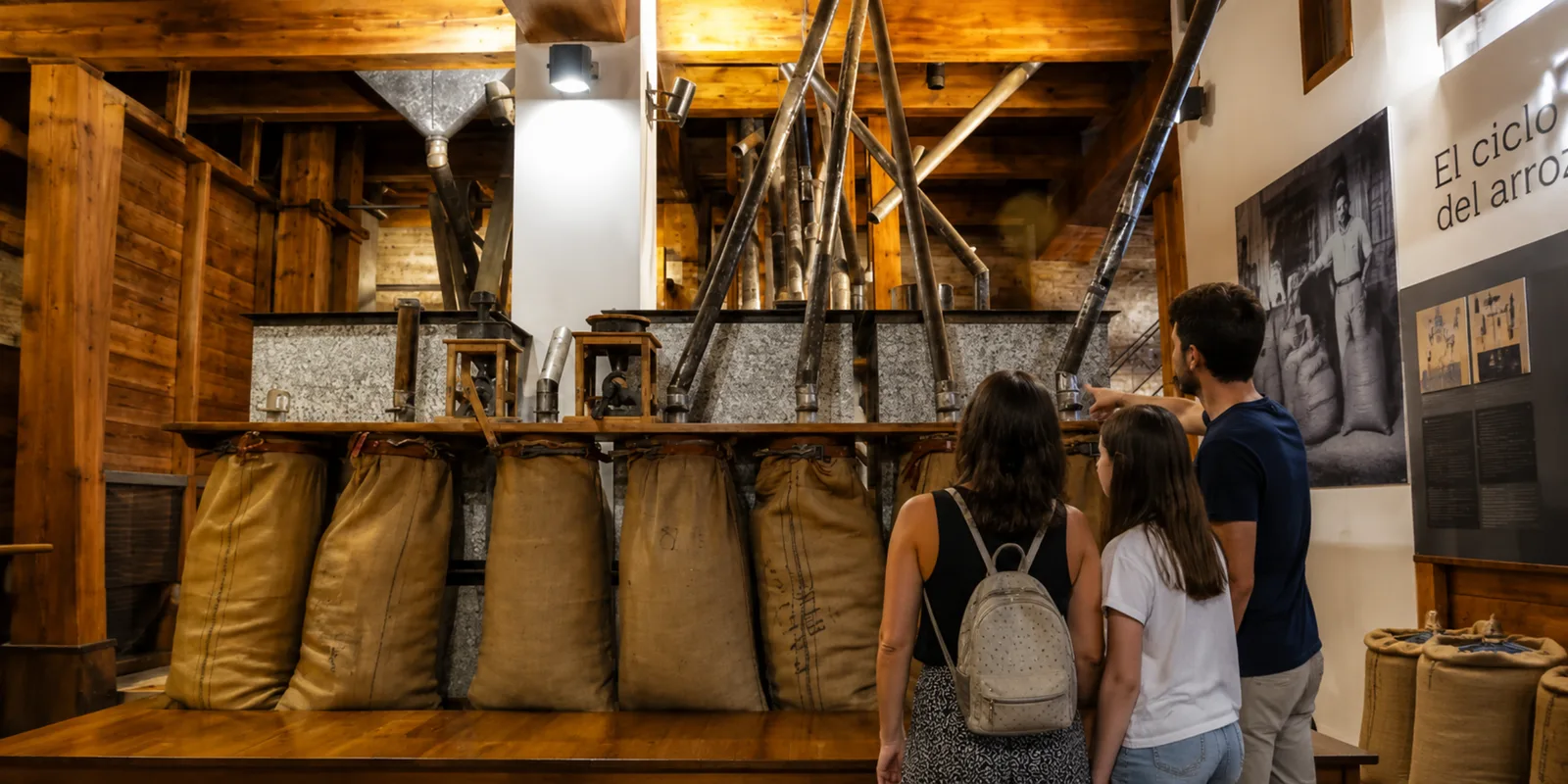
A 1906 factory that ran until the 1970s, with its machines left in working order, two euros and ten minutes from the sand.
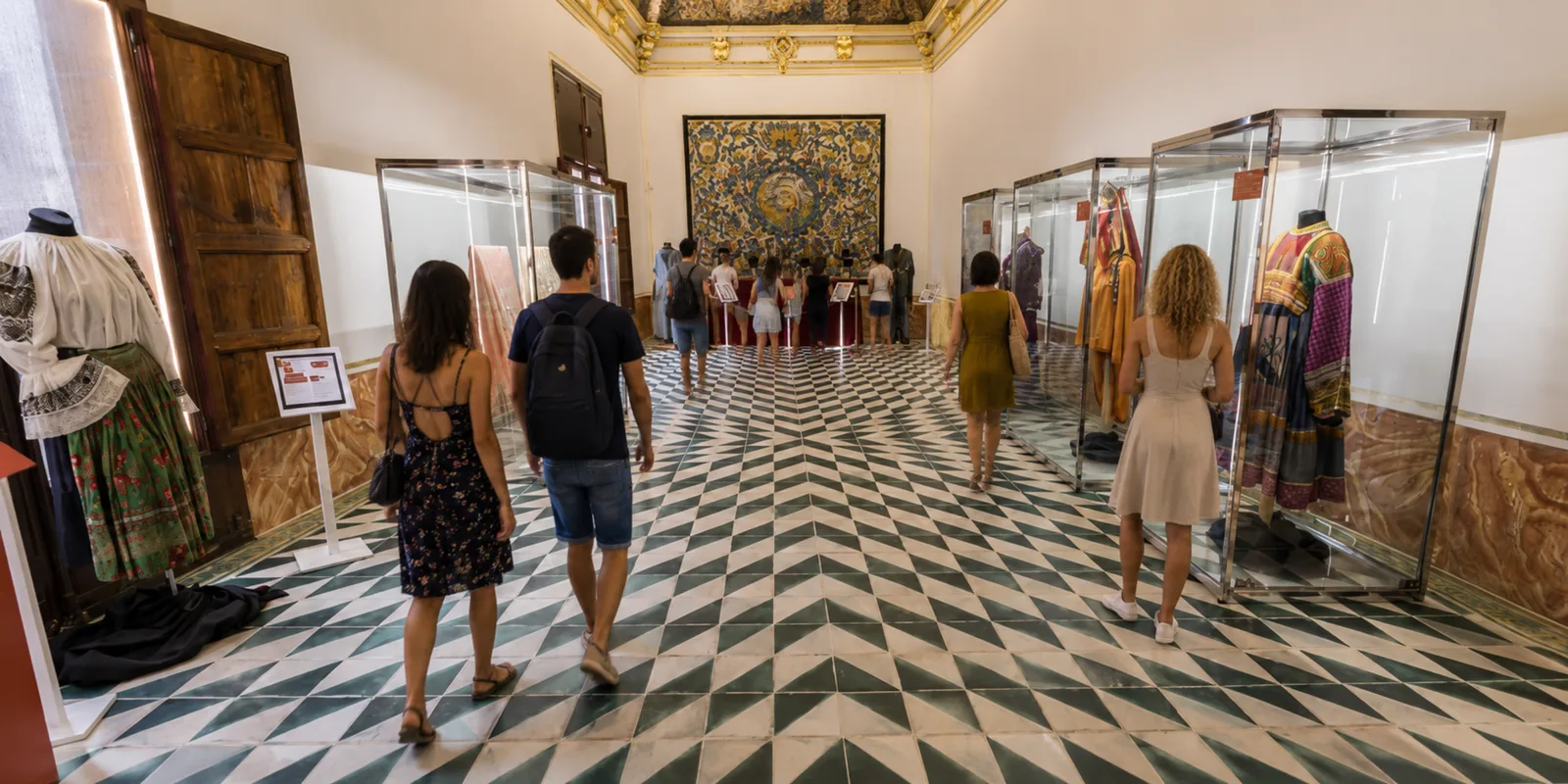
A Vergara fresco overhead, an eighteenth-century tiled floor underfoot and old looms in between, in the district named after the trade.
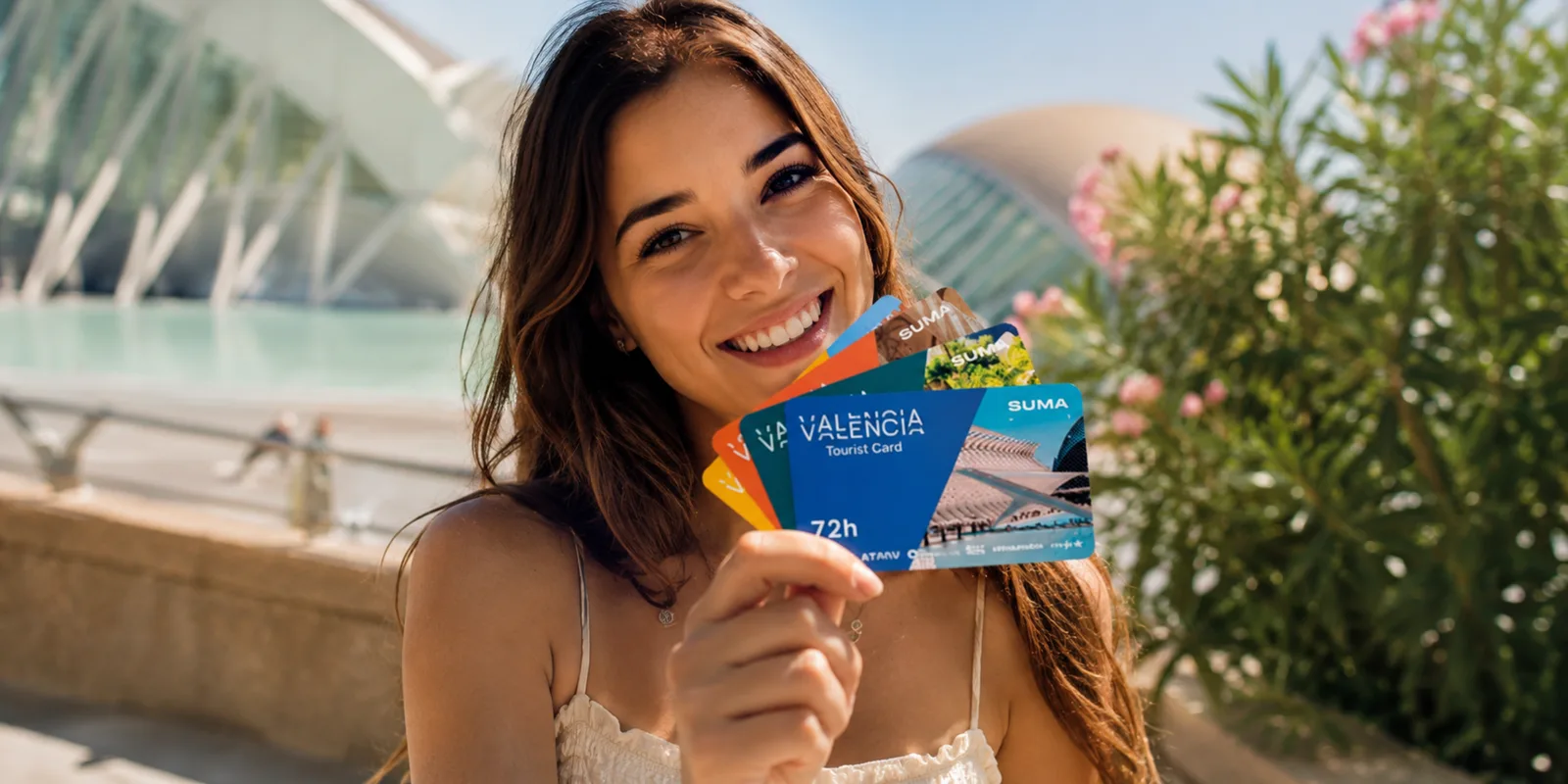
It pays for the airport metro and fourteen municipal sites, discounts the big attractions, and only the cheapest version hands you the cathedral.
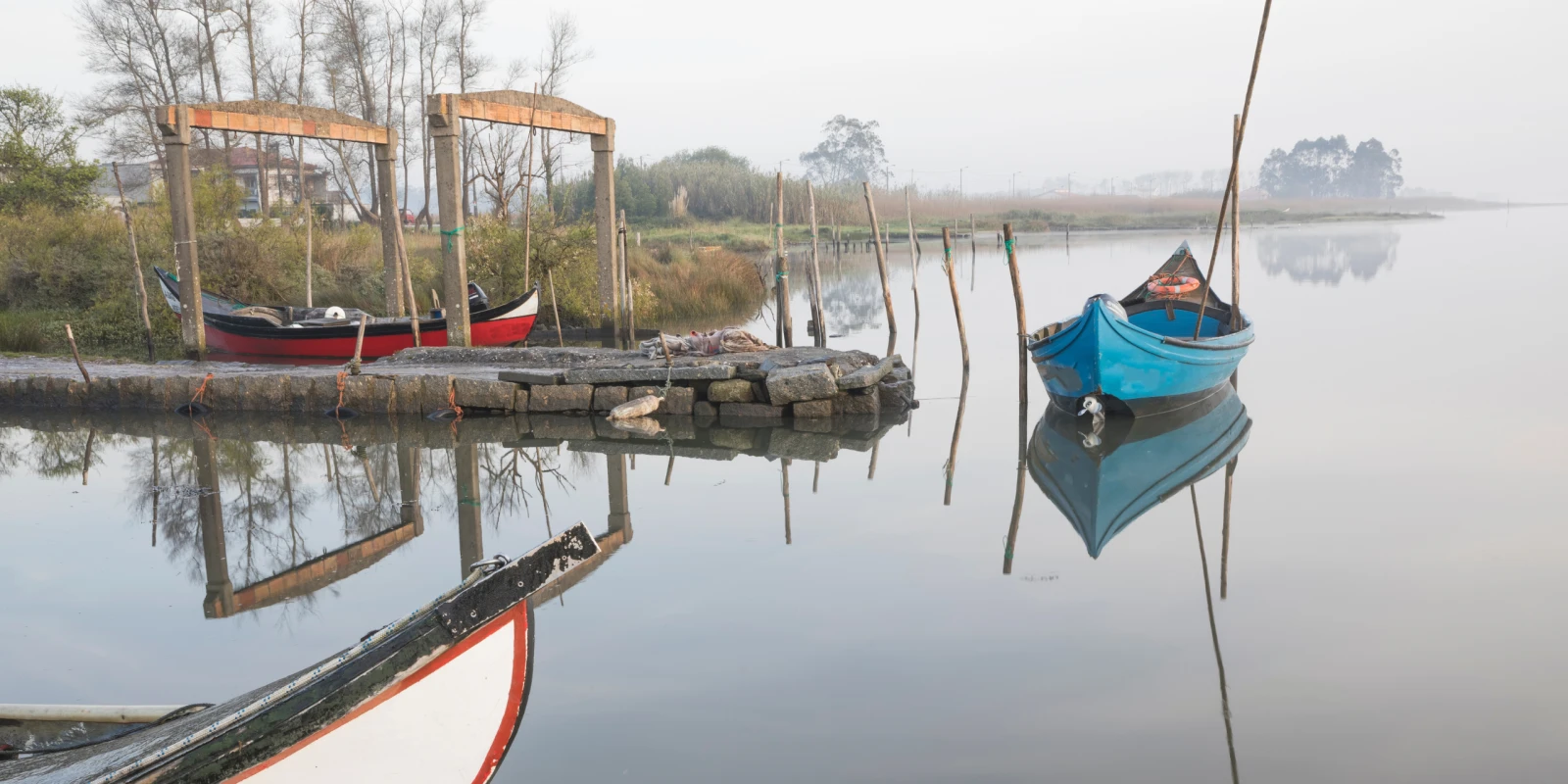
No booking, no timetable and a forty minute crossing for four to six euros. The catch is that the last boat is set by the light, not by a clock.
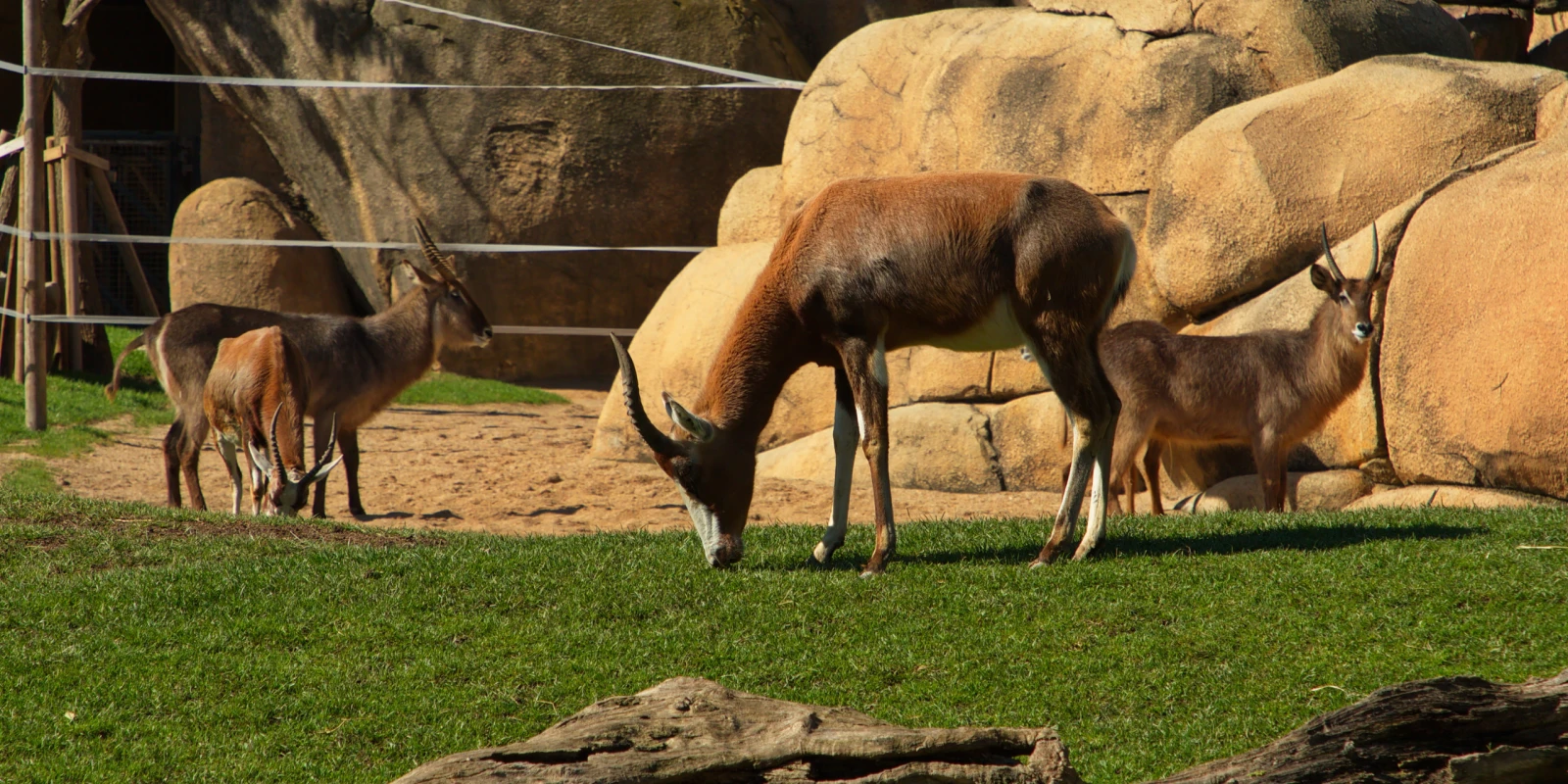
You cannot leave and come back, no outside food gets through the gate, and the last admission is an hour before closing. At €32.50 a head that settles the plan.
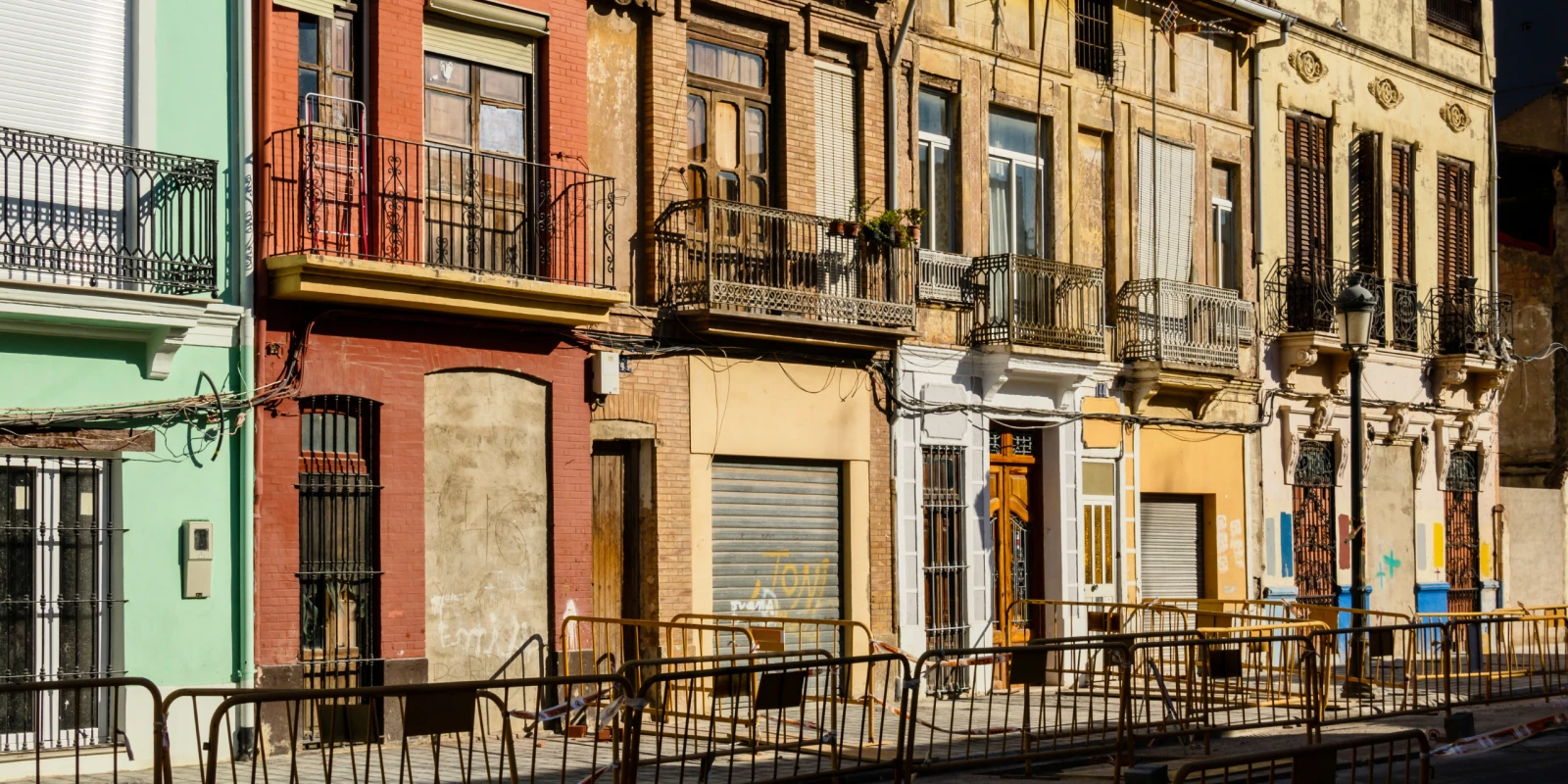
Spain's culture ministry stopped a 48-metre road through El Cabanyal by ruling it despoliation, because what the listing protects is the grid itself.
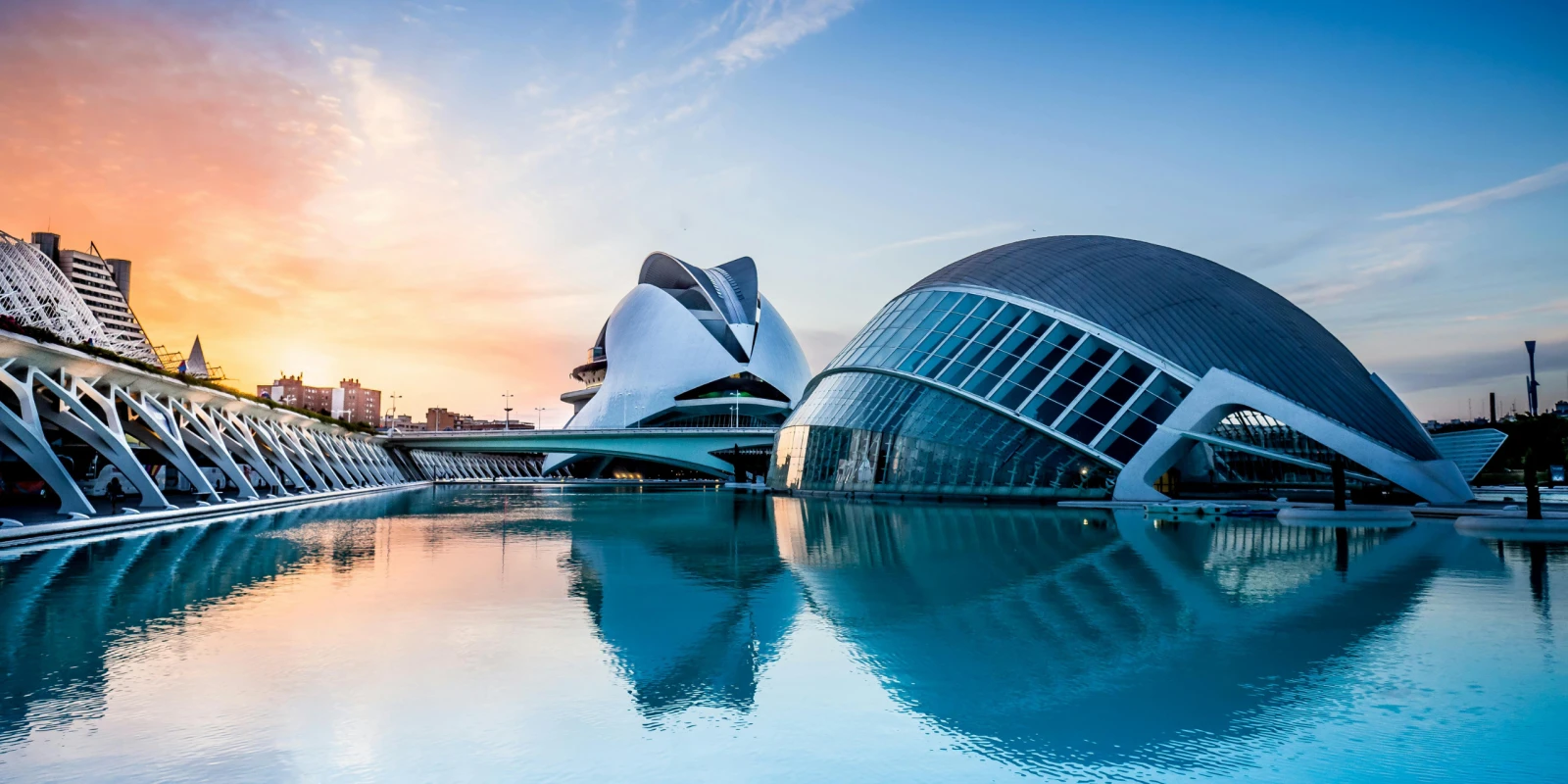
Adding the science museum to an Oceanogràfic ticket costs €2.35. Adding the IMAX dome as well brings the total to €8.20 above the aquarium on its own.
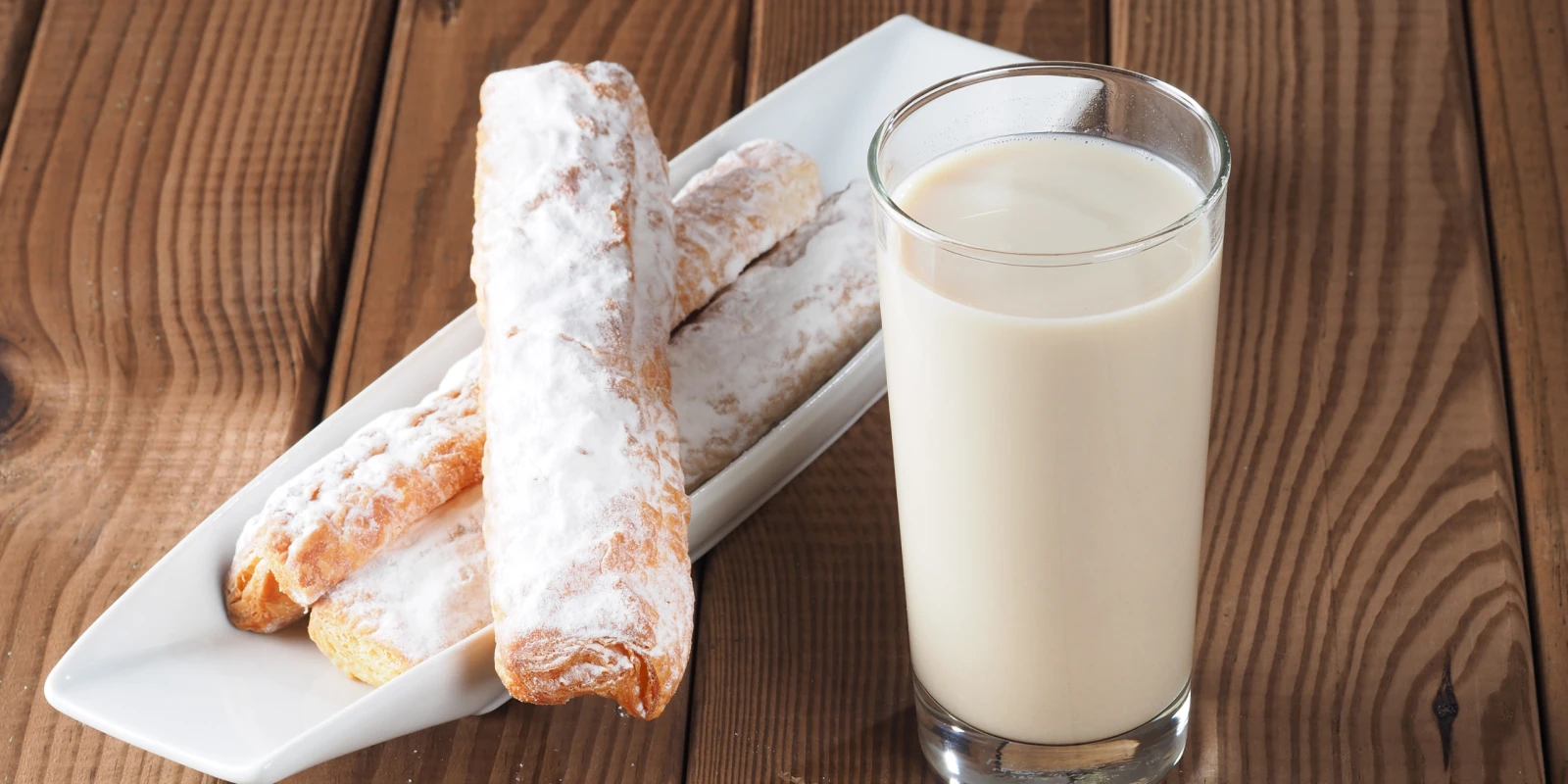
Valencian horchata is made from tiger nuts and nothing else, and it comes three ways that are three different drinks rather than three presentations.
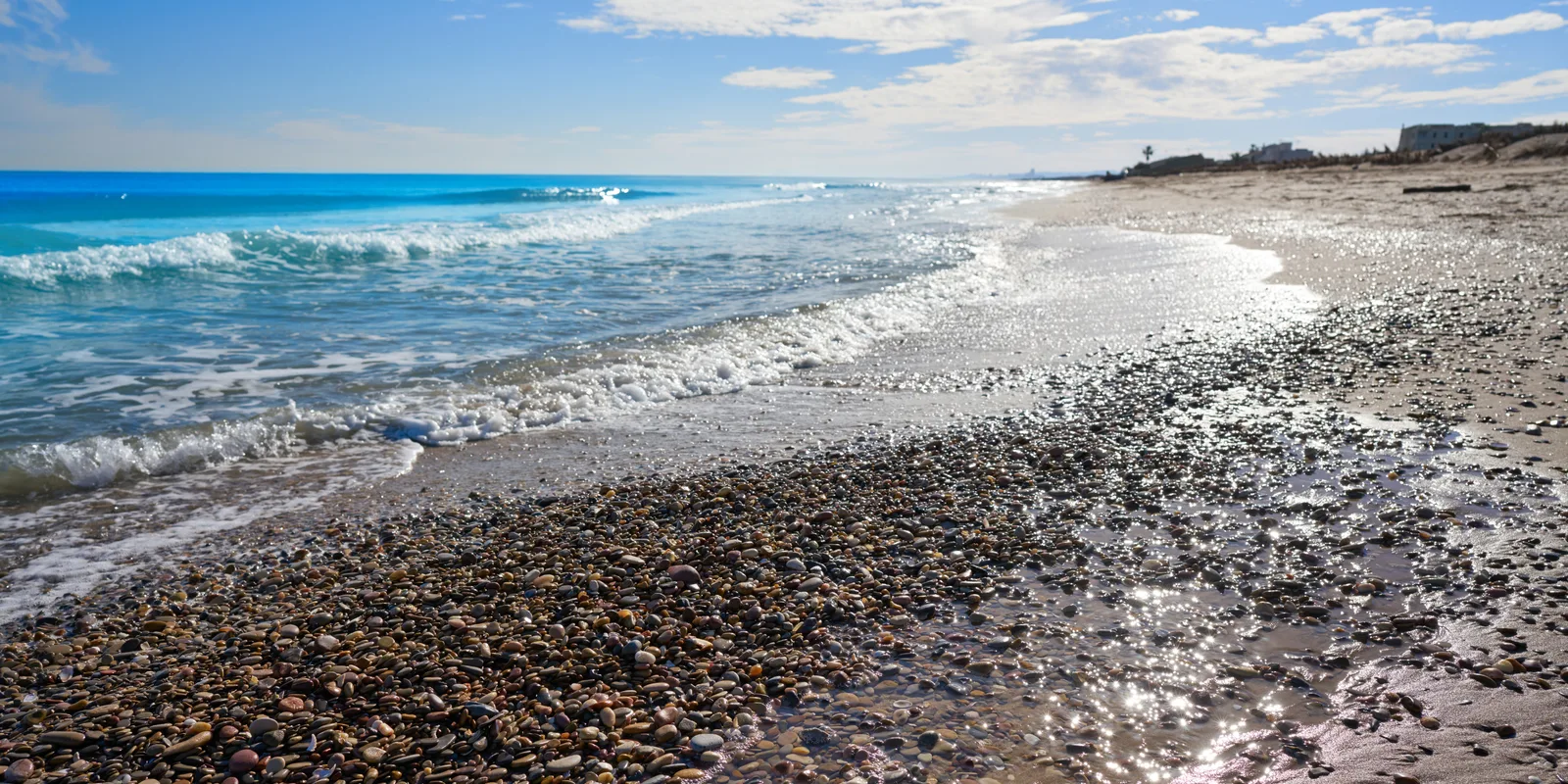
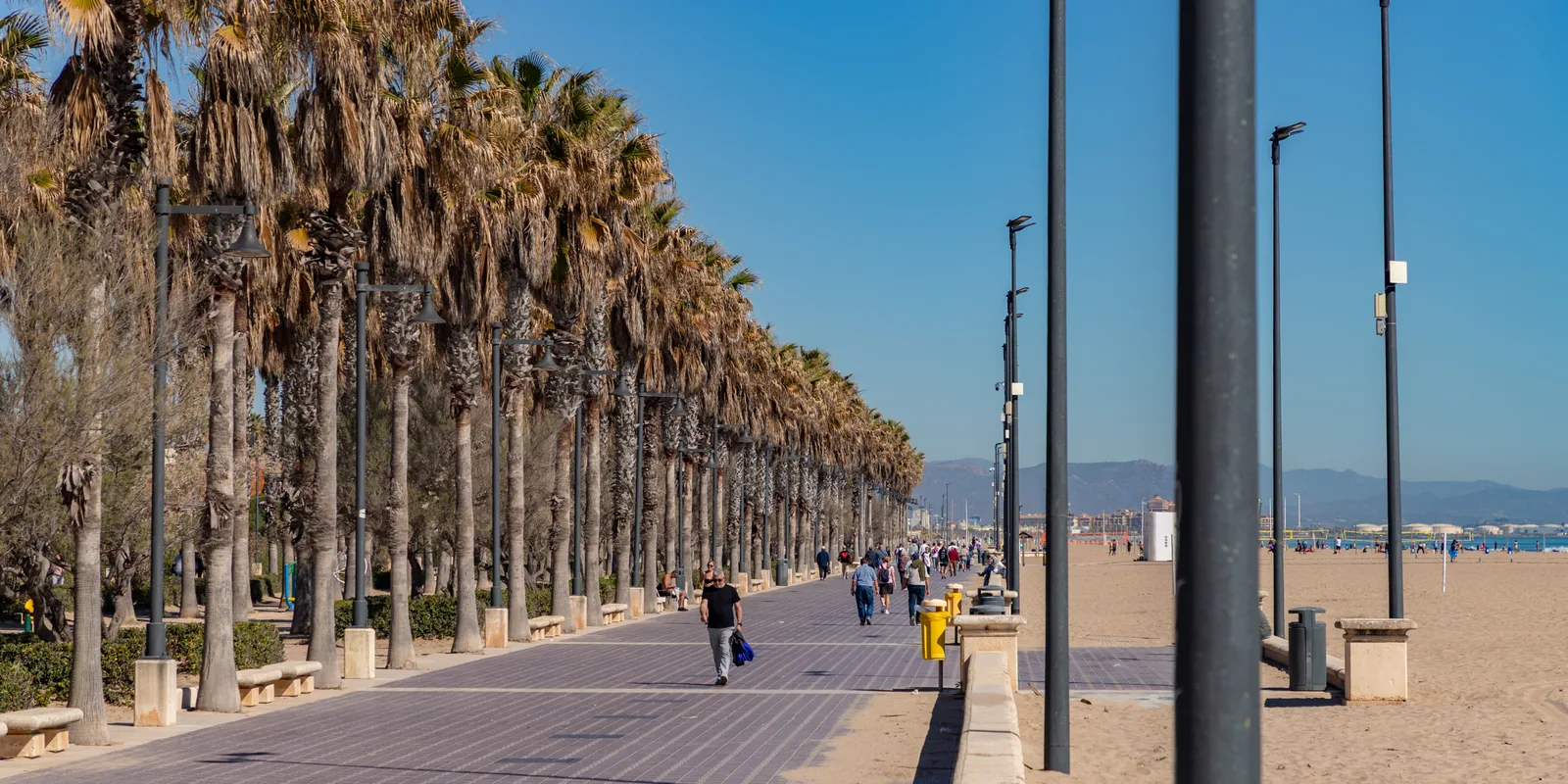
Lifeguards until 7pm, free parking that fills by eleven and 2,700 metres of sand inside a natural park where the boardwalks hold the dunes together.
Kiefer and Lichtenstein across seventeen rooms of a 17th-century palace, and the racetrack that surfaced when the floor came up.
Two euros to walk into a World Heritage site, and nothing at all on Sundays. The catch is that Sunday closes at 2pm and the tower is not part of the visit.
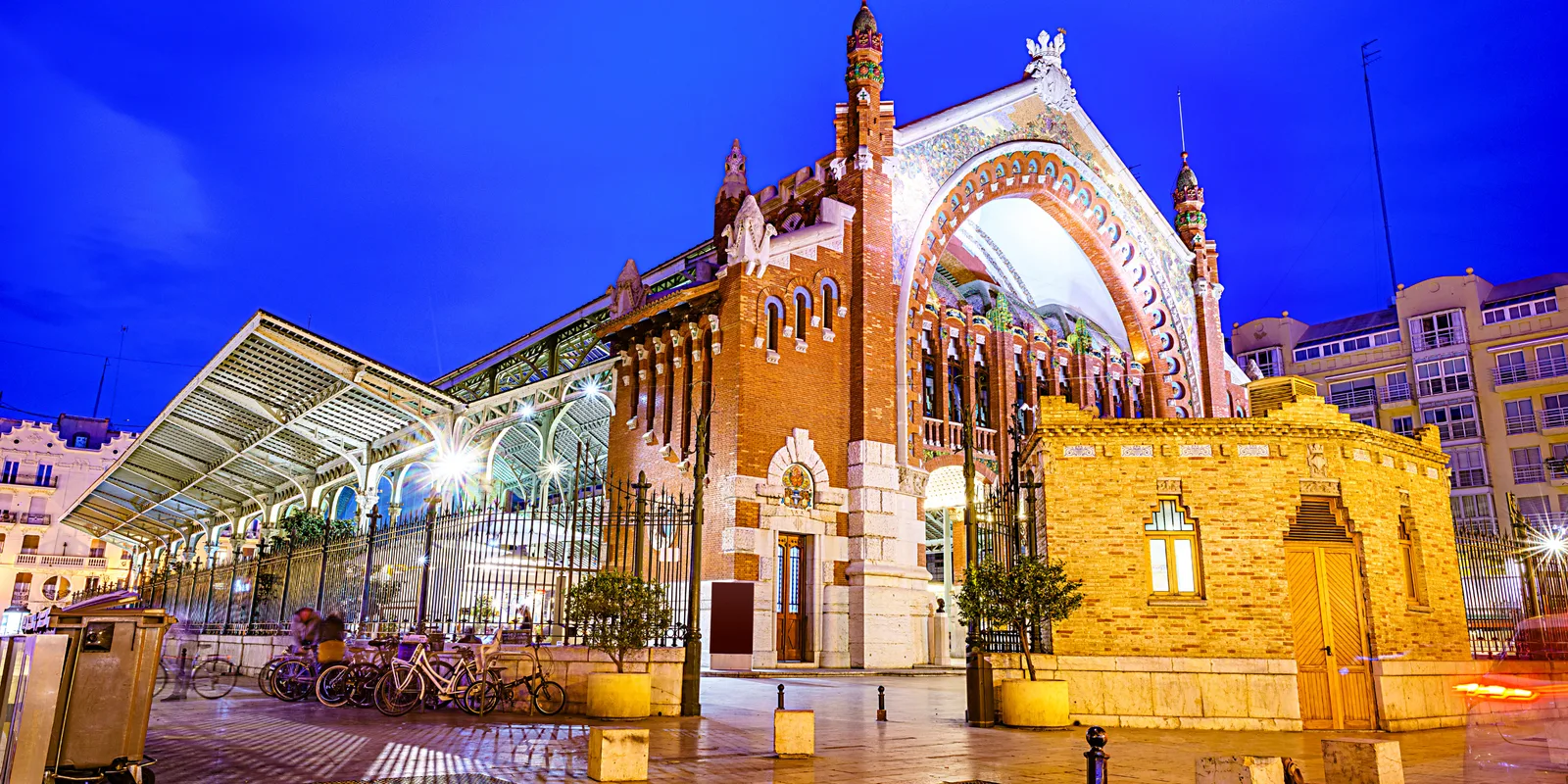
Cast-iron pillars, 3,500 square metres of open floor and no stalls. The Mercado de Colón kept the shell and swapped the purpose entirely.
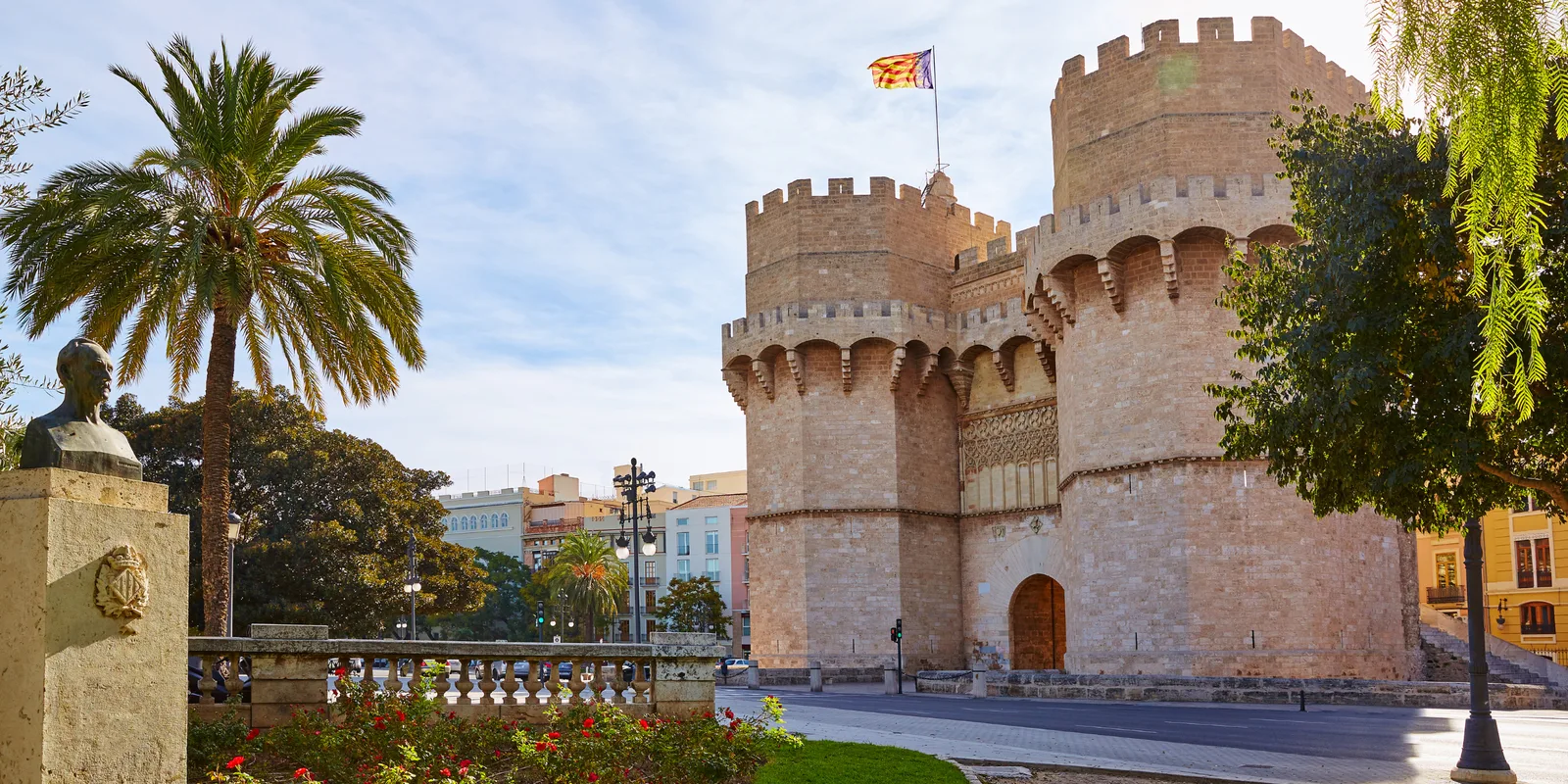
The only view in Valencia that takes in both surviving gates of the medieval wall in one turn of the head, for a euro if you live here and three if you do not.
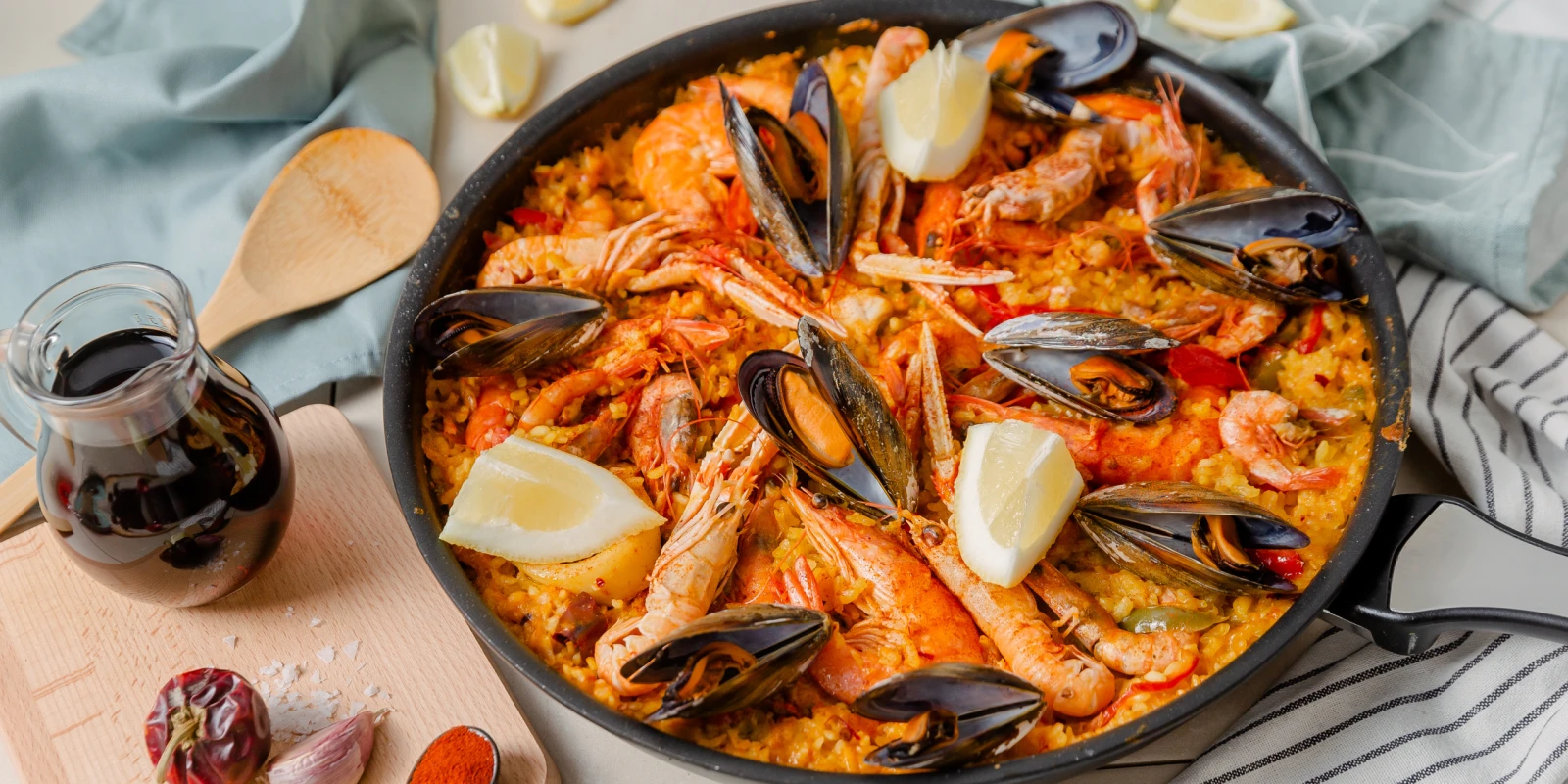
A bag labelled paella rice tells you nothing. The variety name does, because Spain's agriculture ministry publishes the amylose figure for each one.
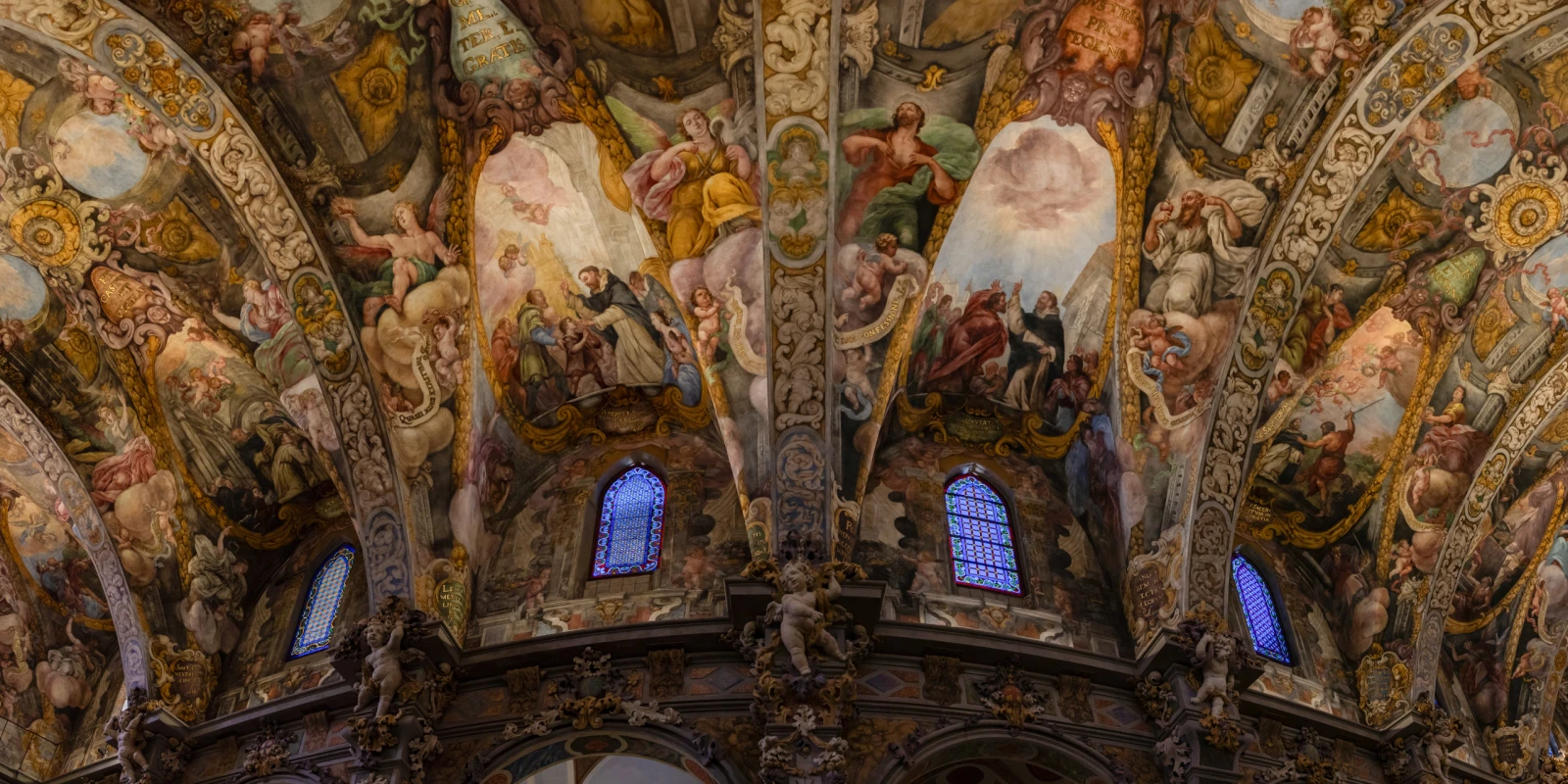
Nineteen hundred square metres of Baroque vault, no basic ticket on sale, and a three-venue pass that pays for itself on the second door.
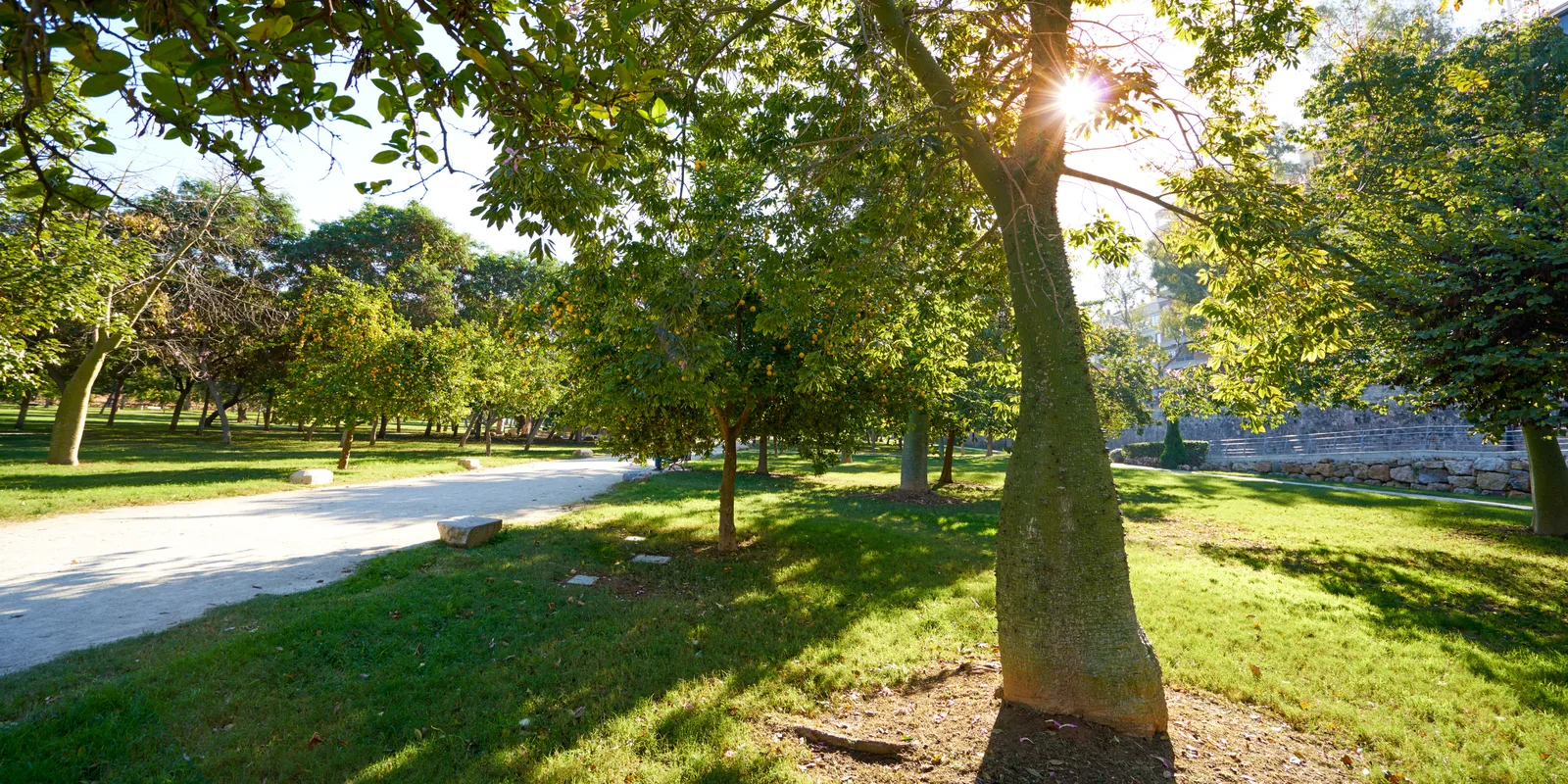
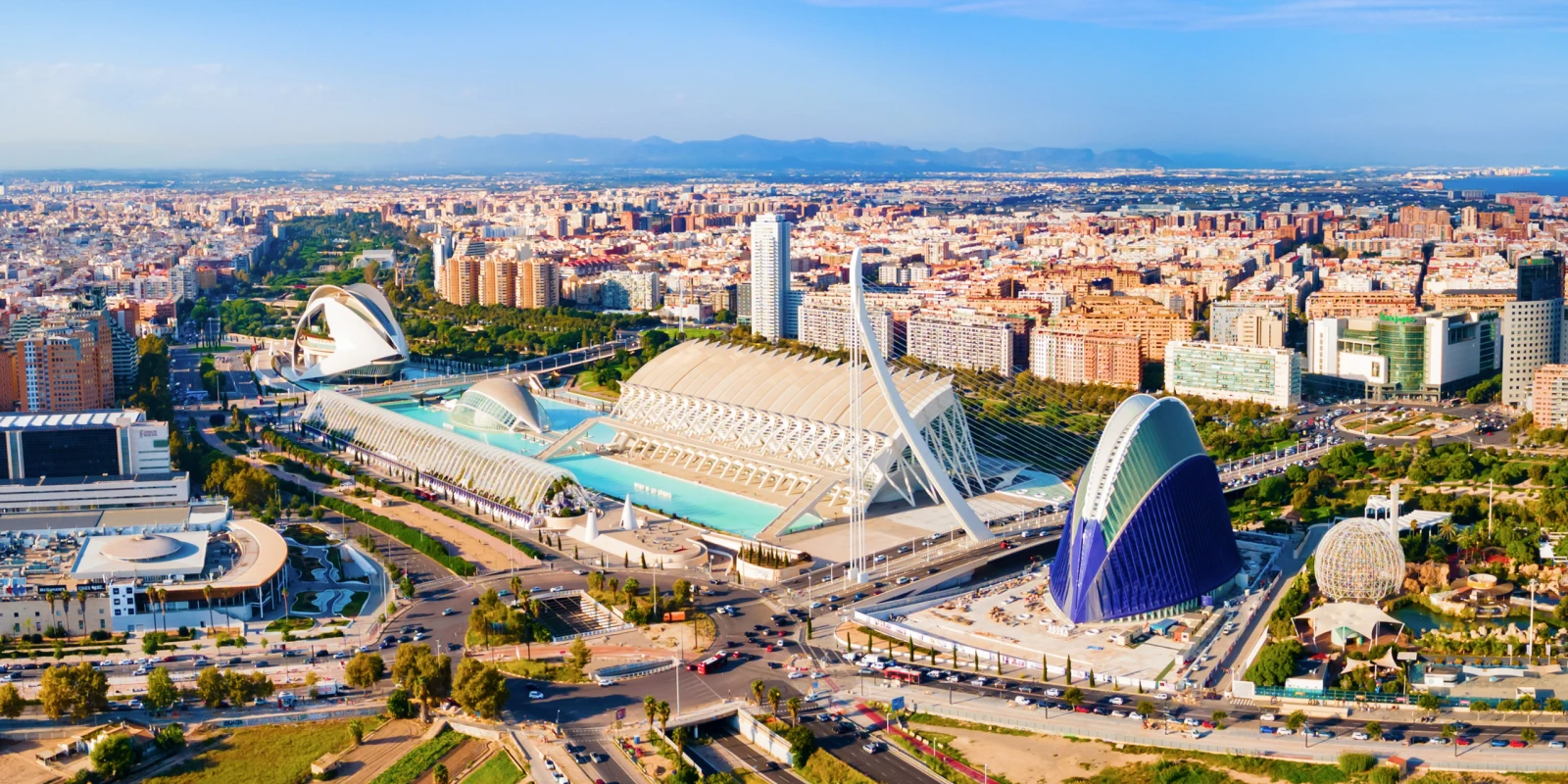
Nine kilometres of park in a drained riverbed, numbered 1 to 18. Gulliver is in section 12, the concert hall in 11 and the City of Arts in 15.
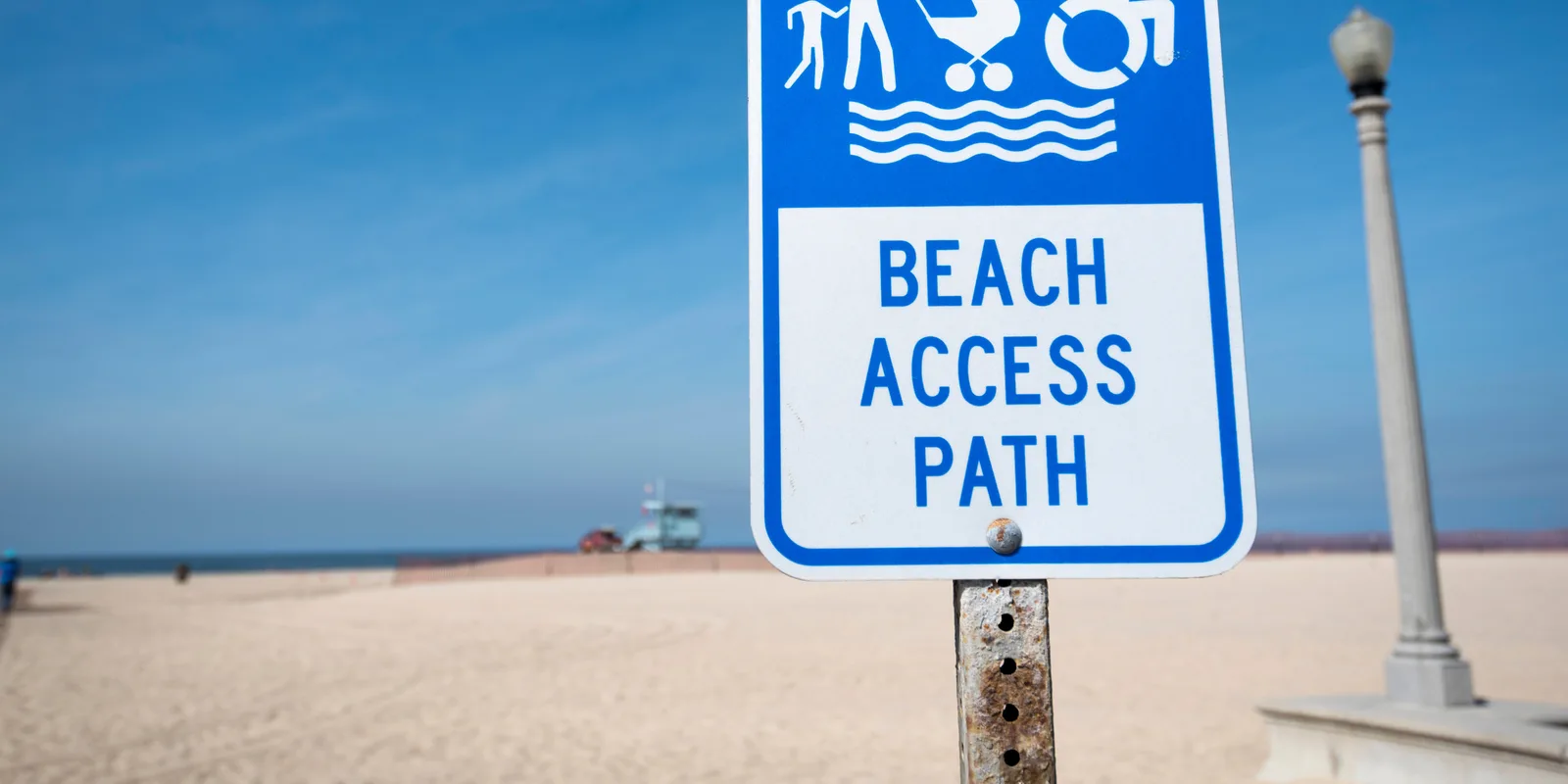
Three Valencia beaches lend amphibious chairs, hoists and harnesses at a first aid post, free and with no booking, but only between June and mid-September.
Only one stretch of the Valencia coast has a railway, and it stops at the port. Fares by operator, the line for each beach, and four stations shut until 30 August.
Aeroport station sits in zone B+, which is what sets the fare. Metro, bus and taxi prices, and the first and last departures for each day of the week.
The sand runs unbroken past the city limit. One stretch keeps its Blue Flag, one has just lost it, and the third belongs to a different town.
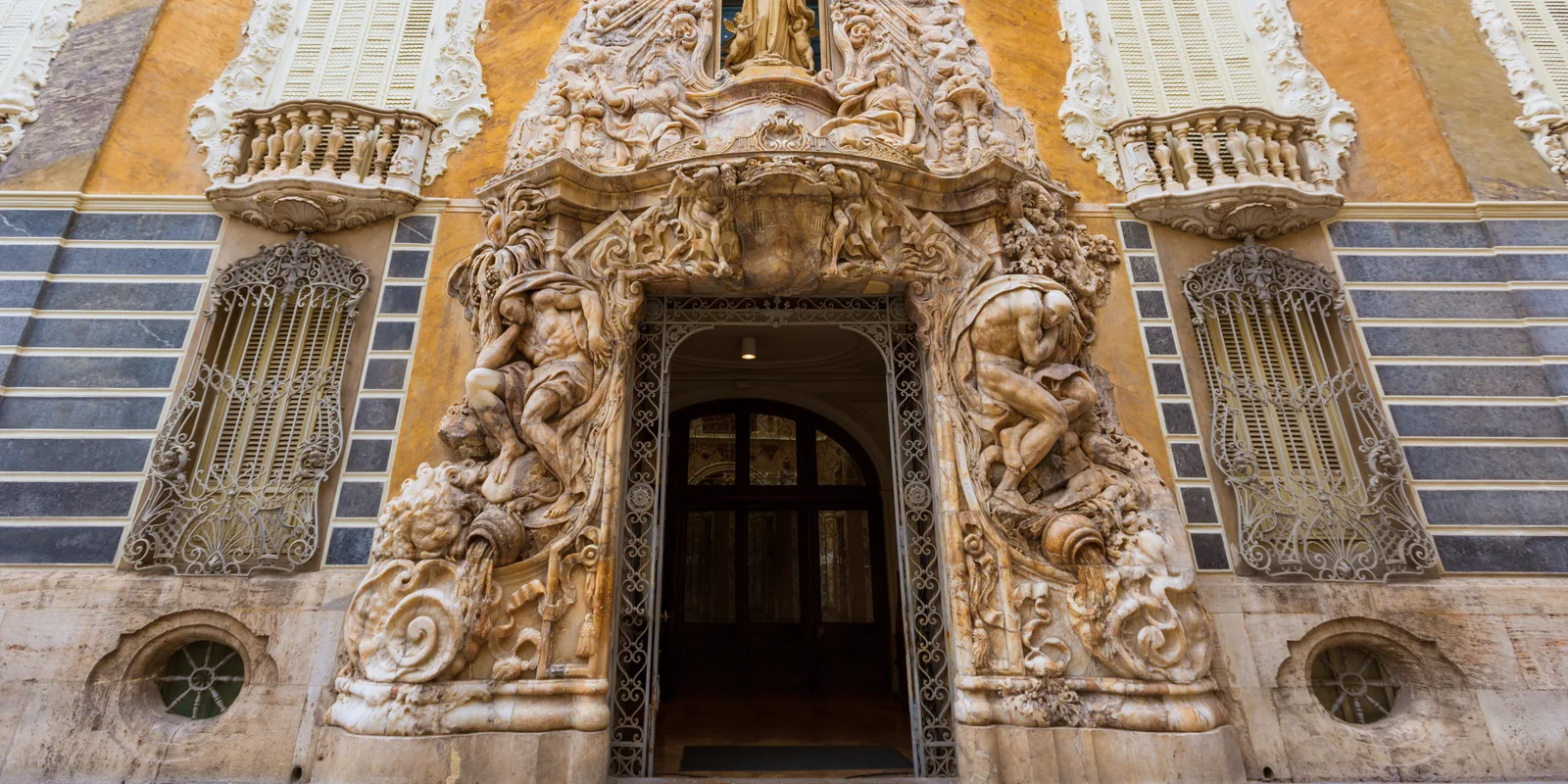
Two rivers carved in alabaster over the door, ceramics from the 8th century to Picasso inside, and three euros to get in on any day but Saturday afternoon.
It shuts at 3pm and does not open on Sundays, which is when most visitors turn up. Inside, 8,000 square metres and three separate varieties of paella rice.
Valencia's Fallas Museum holds what the fire never got, and the city's own two listings disagree on whether it opens its doors on a Monday.
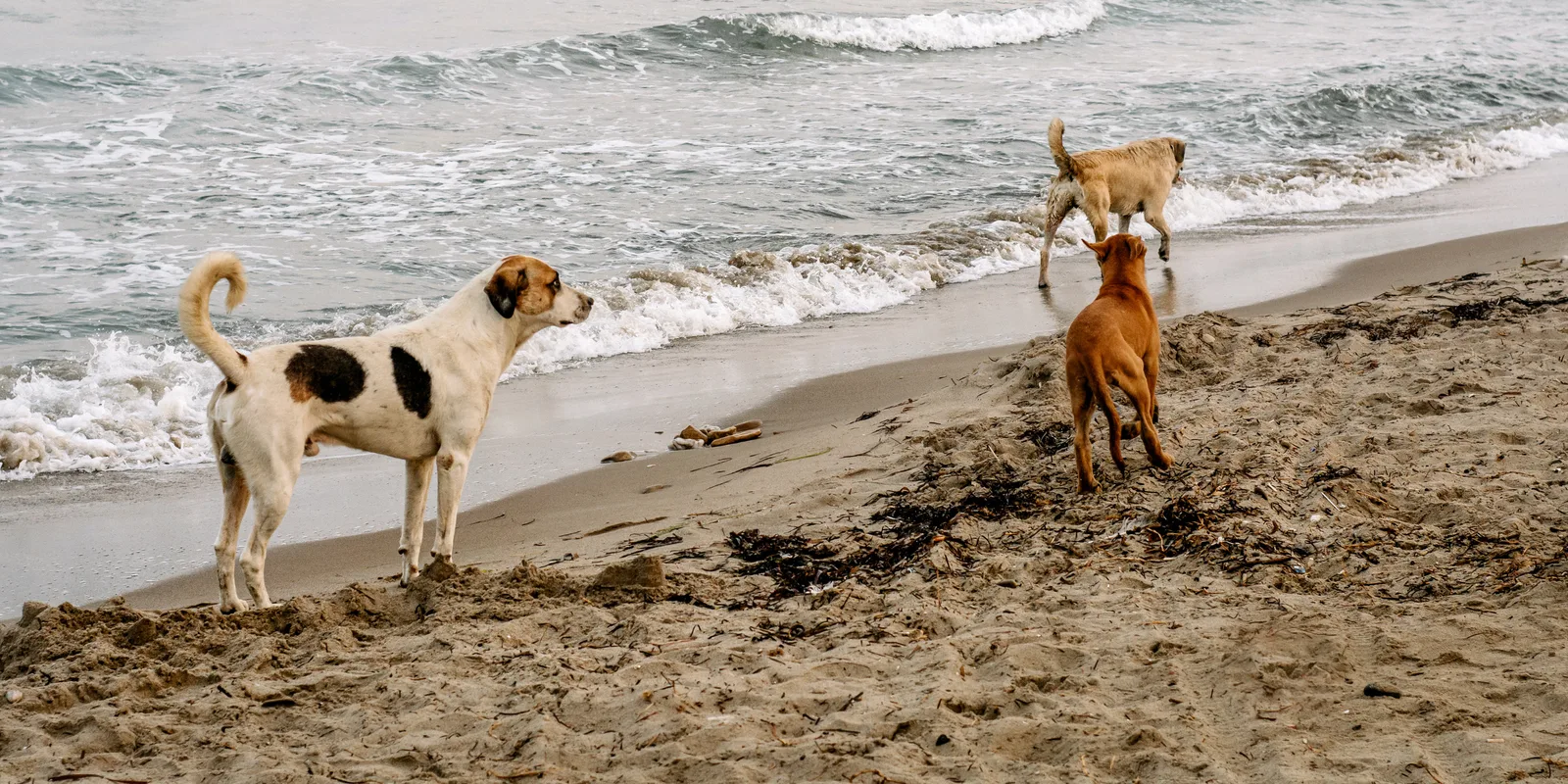
Two documents, a muzzle rule for some breeds and a six metre strip to keep clear. What a dog needs to use the only beach in the city that admits one.
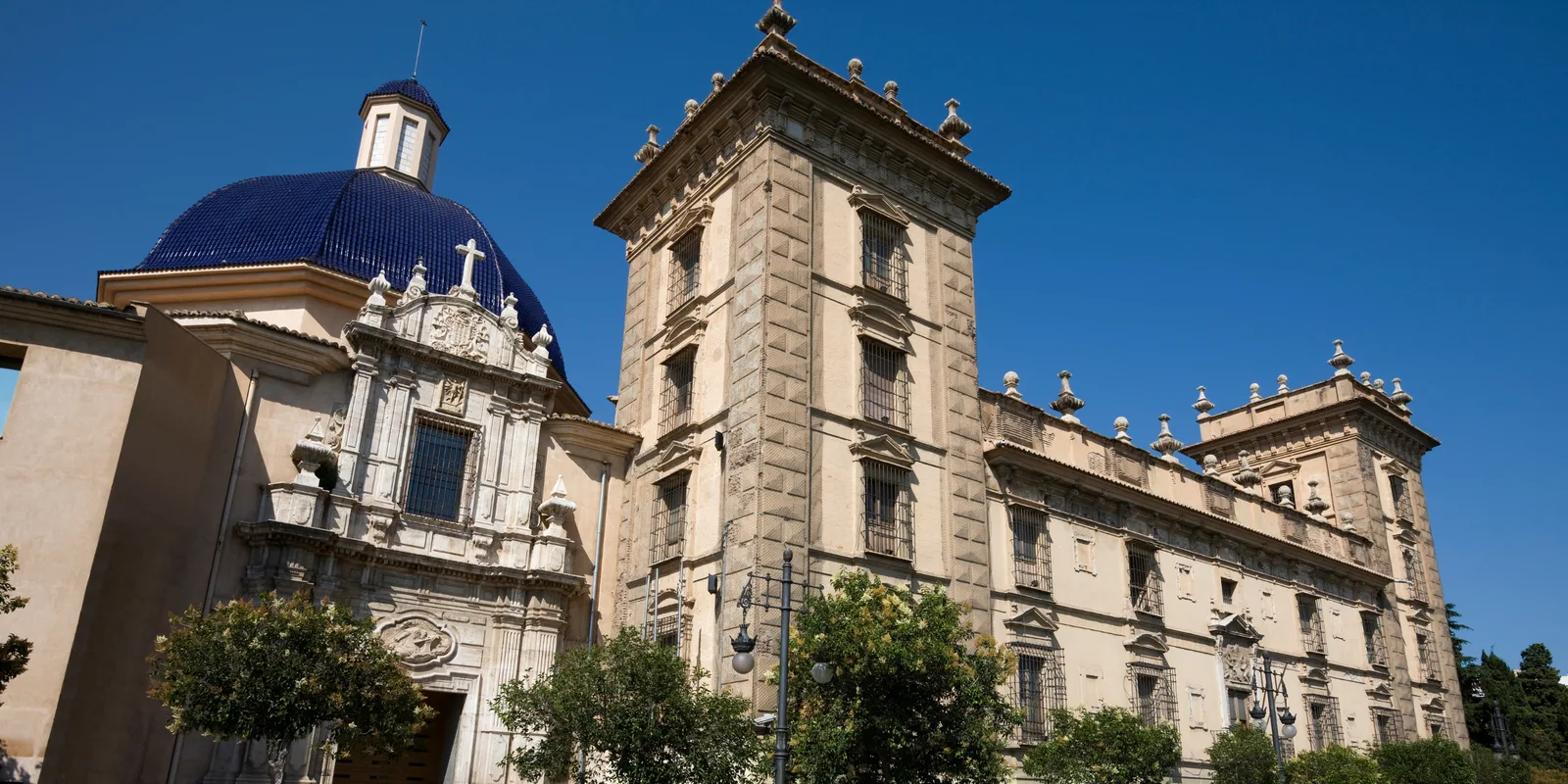
Ten hours a day, no ticket, closed Mondays. Inside a 1683 seminary that was also an army store, and a Sorolla room holding forty-six paintings.
The Virgin who fills with flowers in the square is a temporary framework dressed by a climbing team, and the venerated image stands indoors nearby.
One Valencia museum never charges at all. The rest open free in slots that do not overlap, so the question is which museum is free today, not which is free.
An agate cup, a medieval gold foot set with twenty-eight pearls, and a second Islamic vessel hidden inside that foot. Only the cup is the relic.
Valencia reads 278 camera feeds but restricts one category of vehicle, and no rental fleet in Spain still runs cars old enough to qualify for it.
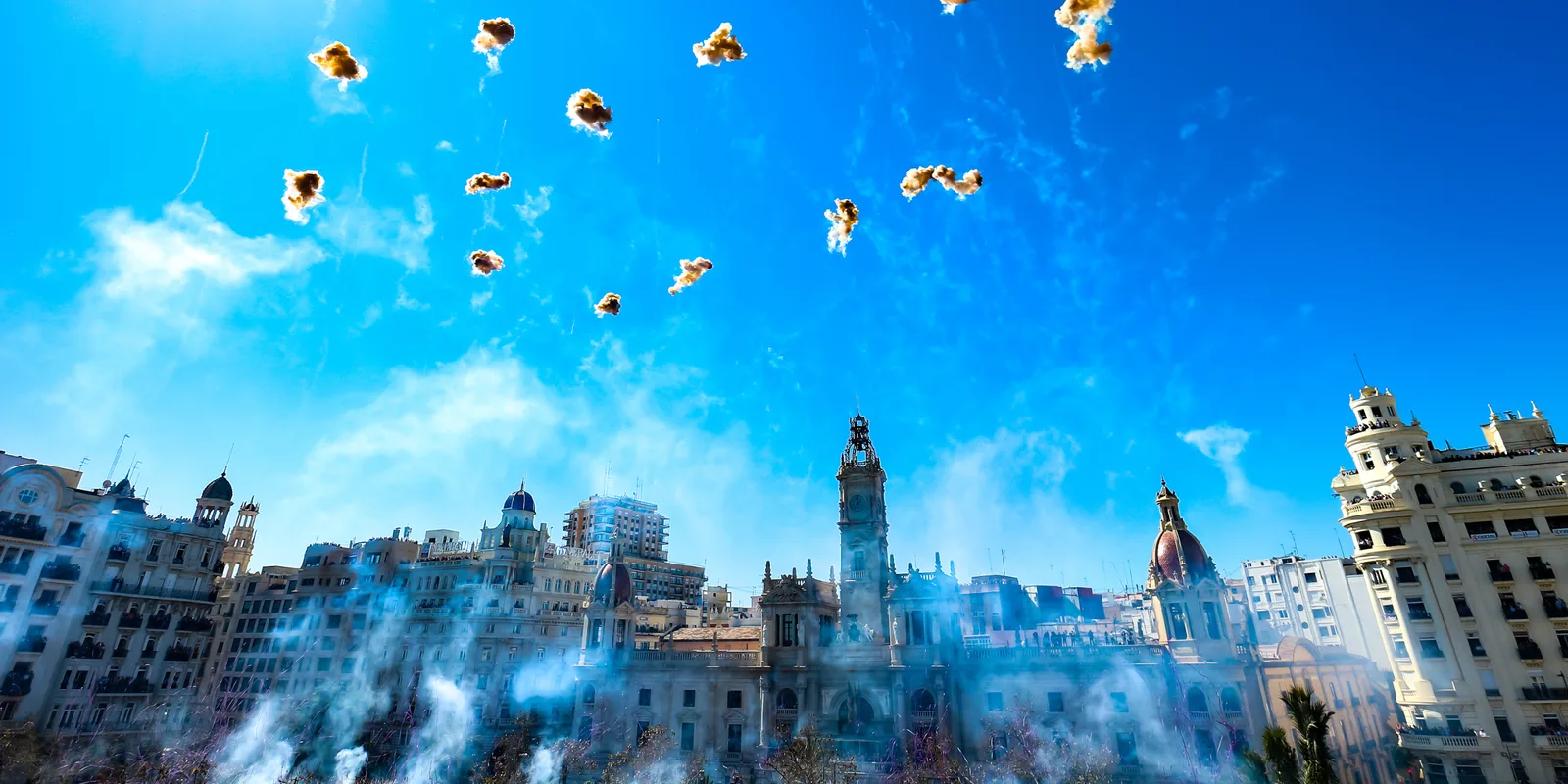
Valencia's city ordinance bans wheeled suitcases, prams and glass from the mascletà, and the access cordon closes long before the two o'clock firing.
Both cost €2 and both are free on Sundays. Only one of them shuts when it rains, and it is not the one most itineraries send you to first.
A working court that sits outdoors, keeps no written record and issues rulings no one can appeal. It costs nothing to watch and lasts about twenty minutes.